

Top 10 AI Agent Development Companies in Dubai | 2026 Guide
Introduction
Dubai has emerged as a global technology hub, attracting businesses seeking cutting-edge AI agent development solutions. As organizations worldwide embrace digital transformation, the demand for intelligent automation and autonomous AI systems has skyrocketed. This comprehensive guide explores the top 10 AI agent development companies in Dubai that are revolutionizing how businesses operate in 2026.
AI agents—autonomous software systems capable of perceiving their environment, making decisions, and taking actions—are transforming industries from customer service to supply chain management. Whether you're looking to implement conversational AI, build autonomous business processes, or create intelligent decision-making systems, choosing the right development partner is crucial for success.
What Are AI Agents and Why Do Businesses Need Them?
Before diving into our list of top companies, it's essential to understand what AI agents are and why they've become indispensable for modern businesses.
Understanding AI Agents
AI agents are intelligent software entities that can:
Perceive their environment through sensors, data inputs, or API integrations
Make autonomous decisions based on predefined goals and learned patterns
Take actions to achieve specific objectives without constant human intervention
Learn and adapt from experiences to improve performance over time
Interact naturally with humans through conversation, text, or voice interfaces
Business Benefits of AI Agents
Organizations implementing AI agents experience numerous advantages:
24/7 Availability: AI agents work continuously without breaks, providing round-the-clock service
Cost Reduction: Automate repetitive tasks and reduce operational expenses by up to 70%
Scalability: Handle thousands of simultaneous interactions without additional resources
Consistency: Deliver uniform service quality across all customer touchpoints
Data-Driven Insights: Generate valuable analytics from every interaction
Faster Response Times: Provide instant responses to customer queries and business requests
Top 10 AI Agent Development Companies in Dubai (2026)
1. Vegavid Technology
Leading the AI Revolution in Dubai
Vegavid Technology stands at the forefront of AI agent development in Dubai, offering comprehensive solutions that transform how businesses operate. With a proven track record of delivering innovative AI systems across multiple industries, Vegavid has established itself as the go-to partner for organizations seeking cutting-edge artificial intelligence implementations.
Core Specializations
Custom AI Agent Development: Tailored intelligent agents designed specifically for your business requirements
Conversational AI Solutions: Advanced chatbots and virtual assistants with natural language understanding
Autonomous Business Process Automation: Self-managing systems that optimize workflows
Multi-Agent Systems: Complex ecosystems where multiple AI agents collaborate
AI-Powered Analytics: Intelligent data processing and predictive insights
Integration Services: Seamless connection with existing business systems and platforms
Industry Expertise
Vegavid Technology serves diverse sectors including:
Financial Services & Banking
Healthcare & Medical Technology
E-commerce & Retail
Real Estate & Property Management
Hospitality & Tourism
Manufacturing & Supply Chain
Education & E-learning
Technology Stack
Vegavid leverages cutting-edge technologies:
OpenAI GPT-4 and GPT-4o for advanced language understanding
LangChain and LlamaIndex for agent orchestration
TensorFlow and PyTorch for custom model development
Cloud platforms (AWS, Azure, Google Cloud) for scalable deployment
Microservices architecture for flexibility and maintainability
Why Choose Vegavid Technology?
Proven Track Record: Successfully delivered 100+ AI projects across the MENA region
Expert Team: Highly skilled AI engineers, data scientists, and solution architects
End-to-End Services: From consultation and development to deployment and maintenance
Agile Methodology: Iterative development approach ensuring rapid delivery and flexibility
Post-Launch Support: Comprehensive maintenance, monitoring, and continuous improvement
Competitive Pricing: Transparent pricing models tailored to business size and requirements
Contact Information:
Website: vegavid.com
Location: Dubai, United Arab Emirates
2. AI Development Hub Dubai
AI Development Hub Dubai is a prominent player in the UAE's Artificial Intelligence landscape, specializing in enterprise-grade AI agent solutions. The company focuses on creating intelligent systems that seamlessly integrate with existing business infrastructure.
Key Services
Enterprise AI Agent Development
Machine Learning Model Training
Natural Language Processing Solutions
Computer Vision Applications
Predictive Analytics Platforms
Notable Projects
The company has successfully implemented AI agents for major corporations in banking, telecommunications, and government sectors, demonstrating expertise in handling sensitive data and complex compliance requirements.
Specialization: Enterprise AI solutions with focus on security and compliance
Website: IBM AI Solutions
3. Neural Networks Emirates
Neural Networks Emirates brings deep expertise in advanced machine learning and neural network architectures. Their team consists of PhD-level researchers and experienced engineers who develop sophisticated AI agents for complex business challenges.
Core Competencies
Deep Learning Solutions: Advanced neural architectures for pattern recognition
Reinforcement Learning Agents: Self-improving systems that learn from interaction
Multi-Modal AI: Agents that process text, images, and audio simultaneously
Edge AI Deployment: Lightweight agents for IoT and edge computing
Industry Focus
Neural Networks Emirates primarily serves:
Autonomous Vehicles & Smart Transportation
Smart City Infrastructure
Industrial Automation
Medical Diagnostics
Unique Advantage: Research-backed approach with academic partnerships
Location: Dubai Silicon Oasis
4. Cognitive Systems Middle East
Cognitive Systems Middle East specializes in building AI agents with advanced reasoning capabilities. Their solutions are designed to handle complex decision-making scenarios that require contextual understanding and multi-step reasoning.
Service Offerings
Knowledge Graph Development
Semantic Search Engines
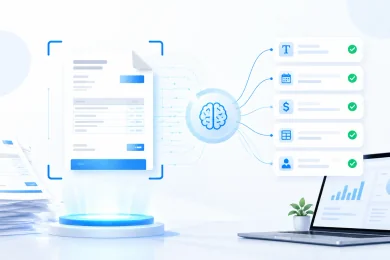
Intelligent Document Processing
Decision Support Systems
Automated Workflow Orchestration
Technology Approach
The company combines symbolic AI with modern machine learning techniques, creating hybrid systems that offer both interpretability and performance. Their agents can explain their reasoning process, making them ideal for regulated industries.
Best For: Organizations requiring explainable AI and complex reasoning
Key Technologies: Knowledge graphs, ontologies, symbolic reasoning
5. Smart Agent Solutions
Smart Agent Solutions focuses on conversational AI and customer-facing intelligent systems. With expertise in natural language understanding and generation, they create AI agents that deliver human-like interactions across multiple channels.
Conversational AI Expertise
Multilingual Chatbots: Support for Arabic, English, and 50+ languages
Voice Assistants: Speech-enabled agents for call centers and mobile apps
Sentiment Analysis: Real-time emotion detection and response adaptation
Omnichannel Integration: Unified experience across web, mobile, and social media
Client Success Stories
Smart Agent Solutions has deployed conversational AI for major retailers, hospitality chains, and government service centers, handling millions of customer interactions monthly with high satisfaction rates.
Specialization: Customer service automation and conversational AI
Average Implementation Time: 4-8 weeks
6. Autonomous Intelligence Partners
Autonomous Intelligence Partners excels in creating self-managing AI systems that require minimal human oversight. Their agent-based solutions are designed for industries where automation and autonomy are critical.
Autonomous Systems Portfolio
Supply Chain Optimization Agents
Automated Trading Systems
Energy Grid Management
Predictive Maintenance Solutions
Resource Allocation Algorithms
Industry Applications
The company has particular strength in:
Logistics & Transportation: Route optimization and fleet management
Energy Sector: Smart grid management and demand forecasting
Financial Services: Algorithmic trading and risk assessment
Manufacturing: Production planning and quality control
Differentiator: Focus on fully autonomous operations with 99.9% uptime
Reference: Learn more about AI agents in enterprise
7. Dubai AI Innovators
Dubai AI Innovators is known for its rapid prototyping capabilities and agile development approach. They specialize in helping startups and SMEs adopt AI agent technology quickly and cost-effectively.
Startup-Friendly Services
MVP Development: Rapid prototype creation in 2-4 weeks
Proof of Concept: Risk-free validation of AI agent feasibility
Scalable Architecture: Systems that grow with your business
Flexible Pricing: Pay-as-you-grow models for startups
Technology Stack
Dubai AI Innovators leverages modern frameworks and tools:
LangChain for agent orchestration
AutoGen for multi-agent systems
Hugging Face models for NLP
Docker and Kubernetes for deployment
RESTful APIs for easy integration
Ideal For: Startups and SMEs seeking affordable AI adoption
Starting Price: Competitive packages from AED 25,000
8. Enterprise AI Consultants
Enterprise AI Consultants takes a consulting-first approach, helping organizations develop comprehensive AI strategies before implementation. Their team combines business acumen with technical expertise to deliver transformative AI agent solutions.
Consulting Services
AI Readiness Assessment
Use Case Identification and Prioritization
ROI Analysis and Business Case Development
Change Management and Training
Governance and Ethics Framework
Implementation Methodology
Enterprise AI Consultants follows a structured approach:
Discovery Phase: Understanding business objectives and constraints
Strategy Development: Creating AI roadmap aligned with business goals
Pilot Implementation: Small-scale deployment for validation
Scale and Optimize: Enterprise-wide rollout with continuous improvement
Best For: Large enterprises requiring strategic AI transformation
Average Engagement: 6-18 months
9. Intelligent Automation Dubai
Intelligent Automation Dubai specializes in combining AI agents with Robotic Process Automation (RPA) to create powerful hybrid automation solutions. Their approach maximizes efficiency by handling both routine and complex tasks.
Hybrid Automation Solutions
Intelligent Document Extraction: AI-powered data capture from unstructured documents
Process Mining: Discover and optimize business processes using AI
Cognitive RPA: Bots enhanced with machine learning capabilities
End-to-End Automation: Complete workflow automation from trigger to completion
Industry Solutions
Finance & Accounting Automation
HR Process Automation
Claims Processing for Insurance
Order-to-Cash Cycle Automation
Compliance and Reporting Automation
Unique Offering: Combination of AI and RPA for maximum automation coverage
Tool Partners: UiPath, Automation Anywhere, Blue Prism
10. Future Tech AI Solutions
Future Tech AI agent Solutions rounds out our list with their focus on emerging AI technologies and next-generation agent systems. They invest heavily in research and development to stay ahead of industry trends.
Cutting-Edge Technologies
Large Language Models: Custom fine-tuning of GPT, Claude, and Llama models
Multi-Agent Orchestration: Systems where specialized agents collaborate
Retrieval-Augmented Generation: Agents with access to real-time knowledge bases
Vision-Language Models: Agents that understand and generate both text and images
Innovation Focus
Future Tech AI Solutions stays at the forefront by:
Partnering with leading AI research institutions
Early adoption of new AI frameworks and tools
Regular publication of technical insights and case studies
Active participation in AI conferences and communities
Best For: Organizations seeking cutting-edge AI capabilities
Reference: Explore OpenAI's approach to AI agents
How to Choose the Right AI Agent Development Company
Selecting the ideal AI agent development partner requires careful consideration of multiple factors. Here's a comprehensive framework to guide your decision-making process.
1. Define Your Business Objectives
Before engaging with any development company, clearly articulate your goals:
Problem Statement: What specific business challenge are you trying to solve?
Success Metrics: How will you measure the AI agent's effectiveness?
Target Users: Who will interact with the AI agent (customers, employees, partners)?
Integration Requirements: What existing systems must the agent connect with?
Budget Constraints: What financial resources are available for development and maintenance?
2. Assess Technical Expertise
Evaluate the company's technical capabilities:
AI Specialization: Do they focus on AI agents specifically or general software development?
Technology Stack: Are they proficient in modern AI frameworks (LangChain, AutoGen, etc.)?
Model Expertise: Can they work with various LLMs (GPT-4, Claude, Llama, etc.)?
Custom Development: Do they offer tailored solutions or only template-based implementations?
Scalability: Can they build systems that grow with your business?
3. Review Portfolio and Case Studies
Examine their previous work:
Projects similar to your use case
Industries they've served
Complexity of implemented solutions
Client testimonials and references
Success stories with measurable outcomes
4. Evaluate Development Methodology
Understanding their approach is crucial:
Agile vs. Waterfall: Do they use iterative development or fixed-scope projects?
Communication: How frequently will they update you on progress?
Testing: What quality assurance processes do they follow?
Deployment: What is their approach to launching AI agents?
Documentation: Will you receive comprehensive technical documentation?
5. Consider Long-Term Support
AI agents require ongoing maintenance:
Post-Launch Support: What support services are included after deployment?
Monitoring: How will they track agent performance and identify issues?
Updates: Can they incorporate new AI capabilities as they emerge?
Training: Will they train your team to manage the AI agent?
SLA: What service level agreements do they offer?
Key Technologies Powering AI Agents in 2026
Understanding the technology landscape helps you make informed decisions when discussing AI agent development with potential partners.
Large Language Models (LLMs)
LLMs form the foundation of modern AI agents:
OpenAI GPT-4: Industry-leading language model with exceptional reasoning capabilities
Anthropic Claude: Emphasizes safety and constitutional AI principles
Google Gemini: Multimodal model with strong integration to Google services
Meta Llama: Open-source alternative enabling cost-effective deployments
Mistral AI: Efficient models optimized for European data regulations
Agent Orchestration Frameworks
These frameworks enable complex AI agent behaviors:
LangChain: Popular framework for building LLM-powered applications with chains and agents
AutoGen: Microsoft's framework for multi-agent conversations and collaboration
CrewAI: Orchestrates role-based AI agents working together on complex tasks
Semantic Kernel: Microsoft's SDK integrating AI services into applications
Haystack: Framework for building NLP applications and search systems
Vector Databases
Essential for retrieval-augmented generation (RAG):
Pinecone: Fully managed vector database with excellent performance
Weaviate: Open-source vector search engine with GraphQL support
Qdrant: High-performance vector similarity search engine
Milvus: Scalable vector database for massive datasets
ChromaDB: Lightweight embedding database for AI applications
Development Tools and Platforms
LangSmith: Debugging and monitoring platform for LLM applications
Weights & Biases: Experiment tracking for machine learning projects
Hugging Face: Model hub and deployment infrastructure
MLflow: Open-source platform for ML lifecycle management
Kubernetes: Container orchestration for scalable deployments
Industry-Specific AI Agent Applications
AI agents are transforming operations across every major industry. Here's how different sectors leverage this technology.
Healthcare and Medical Services
Patient Care Coordination
AI agents scheduling appointments based on urgency and availability
Automated patient follow-up and medication reminders
Symptom assessment and triage recommendations
Insurance verification and pre-authorization handling
Clinical Decision Support
Analyzing patient history and suggesting diagnosis paths
Flagging potential drug interactions
Recommending evidence-based treatment protocols
Identifying patients at risk for specific conditions
Financial Services and Banking
Customer Service Automation
24/7 banking assistance through conversational AI
Account inquiries and transaction history retrieval
Fraud detection and alert management
Loan application processing and document verification
Investment and Trading
Algorithmic trading agents executing strategies autonomously
Portfolio rebalancing based on market conditions
Risk assessment and compliance monitoring
Personalized investment recommendations
For more insights, see Gartner's AI trends.
E-commerce and Retail
Customer Experience Enhancement
Personalized product recommendations based on browsing behavior
Virtual shopping assistants guiding purchase decisions
Order tracking and delivery coordination
Returns and refunds processing automation
Inventory and Supply Chain
Demand forecasting and automatic reordering
Warehouse optimization and picking route planning
Supplier coordination and purchase order management
Quality control through computer vision agents
Real Estate and Property Management
Property Search and Discovery
AI agents understanding buyer preferences and suggesting properties
Virtual property tours and information provision
Automated scheduling of physical viewings
Market analysis and pricing recommendations
Property Management Operations
Tenant inquiry handling and lease management
Maintenance request triage and contractor coordination
Rent collection reminders and payment processing
Property inspection scheduling and reporting
Manufacturing and Industrial
Production Optimization
Predictive maintenance preventing equipment failures
Production schedule optimization
Quality control through visual inspection agents
Energy consumption optimization
Supply Chain Management
Autonomous procurement and supplier negotiation
Logistics optimization and route planning
Inventory level optimization across locations
Risk assessment for supply chain disruptions
Implementation Best Practices for AI Agents
Successfully deploying AI agents requires following proven methodologies and avoiding common pitfalls.
Start with Clear Use Cases
High-Impact, Low-Complexity First
Begin your AI journey with use cases that offer:
Significant business value
Clear success metrics
Limited integration complexity
Manageable data requirements
Quick time to value (4-8 weeks)
Examples of Ideal First Projects:
FAQ chatbot for customer support
Document classification and routing
Meeting scheduling automation
Email response generation for common inquiries
Data extraction from invoices or forms
Data Strategy and Preparation
Data Quality Matters
AI agents are only as good as the data they work with:
Clean and Consistent: Remove duplicates, fix formatting issues, standardize values
Representative: Ensure training data covers all scenarios the agent will encounter
Secure: Implement proper access controls and encryption
Well-Documented: Maintain clear data dictionaries and lineage
Regularly Updated: Keep data fresh and relevant
Retrieval-Augmented Generation (RAG)
RAG enables AI agents to access current, domain-specific information:
Connect agents to knowledge bases, documents, and databases
Ensure responses are grounded in accurate, up-to-date information
Reduce hallucinations and improve factual accuracy
Enable agents to cite sources for transparency
User Experience Design
Conversational Design Principles
Clear Intent Recognition: Help users understand what the agent can do
Graceful Failures: When the agent can't help, provide clear next steps
Human Handoff: Seamlessly transfer complex cases to human agents
Personality and Tone: Match agent communication style to brand voice
Multilingual Support: Serve diverse user bases in their preferred languages
Transparency and Trust
Clearly identify when users are interacting with AI
Explain how decisions are made when appropriate
Provide confidence scores for uncertain responses
Enable user feedback to improve performance
Respect privacy and data protection regulations
Testing and Quality Assurance
Comprehensive Testing Strategy
Unit Testing: Test individual agent components in isolation
Integration Testing: Verify agent interactions with external systems
User Acceptance Testing: Validate agent behavior with real users
Performance Testing: Ensure agent can handle expected load
Security Testing: Identify vulnerabilities and data exposure risks
AI-Specific Testing Considerations
Test with diverse input variations and edge cases
Evaluate response quality across different scenarios
Check for biased or inappropriate outputs
Validate factual accuracy of generated content
Monitor for prompt injection and jailbreaking attempts
Monitoring and Continuous Improvement
Key Performance Indicators (KPIs)
Usage Metrics: Number of interactions, active users, engagement rates
Quality Metrics: Resolution rate, accuracy, user satisfaction scores
Efficiency Metrics: Response time, token usage, cost per interaction
Business Impact: Cost savings, revenue generated, productivity gains
Feedback Loops
Collect user ratings on agent responses
Analyze conversations where users expressed frustration
Track escalations to human agents
Monitor for new types of requests not currently handled
Regular review sessions with stakeholders
Cost Considerations for AI Agent Development
Understanding the financial investment required helps in planning and budgeting for AI agent projects.
Development Costs
Typical Price Ranges in Dubai
Simple Chatbot: AED 20,000 - 50,000
Medium Complexity Agent: AED 50,000 - 150,000
Enterprise AI System: AED 150,000 - 500,000+
Custom Multi-Agent Platform: AED 500,000 - 2,000,000+
Factors Affecting Cost
Complexity of AI capabilities required
Number of integrations with existing systems
Custom vs. off-the-shelf LLM usage
Data preparation and cleaning requirements
User interface and experience design
Security and compliance requirements
Testing and quality assurance scope
Operational Costs
Ongoing Expenses
LLM API Costs: Token-based pricing from providers (GPT-4, Claude, etc.)
Infrastructure: Cloud hosting, databases, vector stores
Monitoring Tools: Logging, analytics, error tracking
Maintenance: Bug fixes, updates, improvements
Support: Technical support and incident response
Cost Optimization Strategies
Use smaller models for simple tasks
Implement caching for repeated queries
Optimize prompt engineering to reduce token usage
Consider open-source models for appropriate use cases
Monitor and eliminate unnecessary API calls
Regulatory and Ethical Considerations
Operating AI agents in Dubai and the UAE requires awareness of local regulations and ethical guidelines.
UAE AI Governance
National AI Strategy
The UAE government has established comprehensive frameworks for AI development:
Focus on responsible and ethical AI deployment
Emphasis on transparency and accountability
Protection of citizen privacy and data rights
Promotion of AI innovation while ensuring safety
Learn more at UAE AI Strategy 2031.
Data Protection and Privacy
Key Regulations
UAE Data Protection Law: Federal regulations governing personal data handling
DIFC Data Protection Law: Enhanced protections for Dubai International Financial Centre
Industry-Specific Rules: Healthcare (HIPAA-equivalent), financial services regulations
Compliance Requirements
Obtain explicit consent for data collection and processing
Implement data minimization principles
Ensure secure storage and transmission of personal data
Provide data subject rights (access, correction, deletion)
Maintain audit trails and documentation
Ethical AI Principles
Fairness and Bias Mitigation
Test AI agents for discriminatory behavior
Ensure diverse training data representation
Regular bias audits and corrections
Transparent documentation of known limitations
Transparency and Explainability
Clearly disclose AI usage to end users
Provide explanations for AI decisions when appropriate
Enable human review of important decisions
Maintain documentation of AI system capabilities and limitations
Future Trends in AI Agent Development
The AI landscape evolves rapidly. Staying informed about emerging trends helps you make future-proof technology decisions.
Multi-Agent Systems
Collaborative Intelligence
The future lies in multiple specialized agents working together:
Task-specific agents collaborating on complex problems
Agents with different expertise levels and specializations
Dynamic team formation based on task requirements
Emergent problem-solving through agent interaction
Real-World Applications
Software development agents (planner, coder, tester, reviewer)
Research teams (researcher, analyzer, writer, fact-checker)
Business operations (sales, marketing, customer service agents)
Healthcare coordination (diagnosis, treatment, follow-up agents)
Autonomous Decision-Making
Increased Autonomy
AI agents are gaining the ability to make more complex decisions independently:
Authority to execute transactions within defined parameters
Autonomous negotiation and deal-making capabilities
Self-optimization based on outcome analysis
Proactive problem identification and resolution
Human-in-the-Loop Evolution
Gradual transition from constant supervision to exception handling
AI confidence scoring to determine when human input is needed
Automated documentation of decisions for audit purposes
Learning from human corrections and preferences
Multimodal Capabilities
Beyond Text
Next-generation AI agents process multiple types of information:
Vision: Understanding images, videos, and visual context
Audio: Processing speech, music, and environmental sounds
Sensor Data: Integrating IoT and real-world measurements
Structured Data: Querying databases and spreadsheets
Code: Understanding and generating software
Unified Understanding
Agents that simultaneously process text descriptions and visual content
Cross-modal reasoning (e.g., answering questions about images)
Generation across modalities (text-to-image, image-to-text)
Richer context understanding from multiple data sources
Edge AI and On-Device Agents
Local Processing
Benefits of running AI agents on edge devices:
Privacy: Sensitive data never leaves the device
Latency: Instant response without network round trips
Reliability: Function even without internet connectivity
Cost: Reduced API usage and cloud infrastructure costs
Applications
Mobile AI assistants with offline capabilities
Industrial IoT devices with intelligent local processing
Medical devices with real-time AI analysis
Autonomous vehicles and robotics
Success Stories: AI Agents in Action
Real-world examples demonstrate the transformative power of well-implemented AI agents.
Case Study 1: Dubai Retail Chain
Challenge
A major Dubai-based retail chain struggled with:
High volume of repetitive customer inquiries
Long response times during peak hours
Inconsistent service quality across channels
Rising customer service costs
Solution
Implemented an omnichannel AI agent handling:
Product inquiries and recommendations
Order status and tracking
Returns and exchanges processing
Store location and hours information
Basic troubleshooting for products
Results
70% reduction in routine inquiry handling time
90% customer satisfaction rating for AI interactions
40% decrease in customer service operational costs
24/7 availability increasing customer engagement
Human agents freed to handle complex issues
Case Study 2: Healthcare Appointment System
Challenge
A Dubai healthcare provider faced:
High call volumes for appointment scheduling
Frequent no-shows due to forgotten appointments
Inefficient manual scheduling leading to gaps
Limited after-hours appointment booking
Solution
Deployed AI agent with capabilities for:
Intelligent appointment scheduling based on availability and urgency
Automated reminders via SMS, email, and WhatsApp
Rescheduling and cancellation handling
Basic health triage and department routing
Multi-language support (Arabic, English, Hindi)
Results
60% reduction in no-show rates
85% of appointments booked through AI agent
30% increase in appointment availability utilization
Significant reduction in administrative workload
Improved patient satisfaction scores
Case Study 3: Financial Services Document Processing
Challenge
A Dubai bank processing:
Thousands of loan applications monthly
Manual document review taking days
High error rates in data extraction
Compliance requirements for thorough verification
Solution
Intelligent document processing agent:
Automatic document classification and routing
AI-powered data extraction from various document types
Verification against multiple databases
Fraud detection through pattern recognition
Compliance checking against regulatory requirements
Results
80% faster document processing time
95% accuracy in data extraction
50% reduction in operational costs
Improved compliance and audit trail
Better customer experience with faster approvals
Getting Started: Your AI Agent Development Journey
Embarking on an AI agent implementation project requires careful planning and a structured approach.
Phase 1: Discovery and Planning (2-4 weeks)
Initial Assessment
Workshop with stakeholders to identify pain points
Document current processes and workflows
Identify automation opportunities
Define success criteria and KPIs
Assess data availability and quality
Use Case Prioritization
Map potential use cases by impact and complexity
Select pilot project with clear ROI
Define scope and boundaries
Establish timeline and milestones
Allocate budget and resources
Phase 2: Design and Development (6-12 weeks)
Technical Design
Select appropriate AI models and frameworks
Design system architecture
Plan integration points with existing systems
Define data flows and storage requirements
Establish security and compliance measures
Iterative Development
Sprint 1-2: Core functionality and basic interactions
Sprint 3-4: Integration with business systems
Sprint 5-6: Advanced features and optimization
Sprint 7-8: Testing, refinement, and polish
Phase 3: Testing and Refinement (2-4 weeks)
Testing Activities
Internal testing with product team
Beta testing with selected users
Performance and load testing
Security and penetration testing
Accessibility and usability testing
Refinement Based on Feedback
Analyze user feedback and usage patterns
Identify and fix issues
Optimize response quality
Improve user experience
Fine-tune performance
Phase 4: Deployment and Launch (1-2 weeks)
Pre-Launch Activities
Final security review
Prepare documentation and training materials
Set up monitoring and alerting
Plan rollout strategy (phased vs. big bang)
Develop rollback procedures
Launch Execution
Deploy to production environment
Monitor closely for issues
Communicate with users about new capability
Provide support during initial period
Collect early feedback
Phase 5: Optimization and Scaling (Ongoing)
Continuous Improvement
Regular review of performance metrics
Implement improvements based on data
Add new capabilities incrementally
Expand to additional use cases
Stay updated with AI technology advances
Common Challenges and Solutions
Understanding potential obstacles helps you prepare and mitigate risks in your AI agent implementation.
Challenge 1: Data Quality Issues
Problem: AI agents trained on poor-quality data produce unreliable results.
Solutions:
Conduct thorough data audit before development
Implement data cleaning and preprocessing pipelines
Establish data quality standards and governance
Use data validation rules to catch issues early
Invest in data infrastructure improvements
Challenge 2: Integration Complexity
Problem: Connecting AI agents with legacy systems can be technically challenging.
Solutions:
Start with modern, API-first systems
Use middleware and integration platforms
Implement standardized data formats
Create abstraction layers for legacy systems
Consider gradual migration strategies
Challenge 3: User Adoption Resistance
Problem: Employees or customers may resist using AI agents.
Solutions:
Involve users early in design process
Communicate benefits clearly
Provide comprehensive training
Start with opt-in approaches
Demonstrate quick wins and success stories
Address concerns about job displacement openly
Challenge 4: Maintaining Accuracy Over Time
Problem: AI agent performance can degrade as conditions change.
Solutions:
Implement continuous monitoring
Establish feedback mechanisms
Regular retraining with new data
A/B testing for improvements
Version control for models and prompts
Challenge 5: Managing Costs
Problem: LLM API costs can escalate unexpectedly.
Solutions:
Implement response caching
Use appropriate model sizes for each task
Optimize prompts to reduce token usage
Set usage limits and alerts
Consider hybrid approaches with smaller models
Dubai's AI Ecosystem and Support
Dubai offers a thriving ecosystem that supports AI innovation and development.
Government Initiatives
Smart Dubai
The Smart Dubai initiative drives digital transformation across the emirate:
Funding and support for AI startups
Regulatory sandbox for testing innovations
Public-private partnerships for AI projects
Training and capacity building programs
Dubai Future Foundation
Research and development support
Innovation accelerators and incubators
Connection to global AI experts
Thought leadership and knowledge sharing
Education and Research Institutions
Leading Universities
MBZUAI (Mohamed Bin Zayed University of AI): World's first AI university
Khalifa University: Advanced AI research programs
American University of Dubai: Technology and computer science programs
Dubai AI Campus: Specialized AI training facilities
Research Centers
AI research labs at universities
Corporate research centers (IBM, Microsoft, etc.)
Collaborative initiatives between academia and industry
Technology Hubs and Free Zones
Dubai Internet City
Home to major tech companies
Networking and collaboration opportunities
Business-friendly environment
Access to talent pool
Dubai Silicon Oasis
Integrated technology park
R&D facilities
Innovation centers
Academic institutions
Building In-House AI Capabilities vs. Outsourcing
Organizations must decide whether to develop internal AI expertise or work with external partners.
Building In-House
Advantages
Complete control over development and IP
Deep understanding of business context
Long-term cost efficiency at scale
Faster iterations and changes
Building strategic capability
Disadvantages
High upfront investment in talent and infrastructure
Longer time to initial results
Risk of not keeping pace with technology evolution
Difficulty attracting and retaining AI talent
Opportunity cost of other investments
Outsourcing to Development Companies
Advantages
Immediate access to expertise
Faster time to market
Lower initial investment
Benefit from cross-industry experience
Flexibility to scale up or down
Access to latest technologies and best practices
Disadvantages
Less control over development process
Potential dependency on vendor
Knowledge transfer challenges
Ongoing service costs
Communication and coordination overhead
Hybrid Approach (Recommended)
Many organizations find success with a hybrid model:
Partner with an AI development companies for initial implementation
Build small internal team to manage and maintain
Gradually develop in-house capabilities
Continue external partnership for specialized needs
Balance between control and access to expertise
Security and Risk Management
Implementing AI agents introduces unique security considerations that must be carefully managed.
Common Security Risks
Prompt Injection Attacks
Risk: Malicious users manipulating agent behavior through crafted inputs
Mitigation: Input validation, prompt hardening, output filtering
Data Leakage
Risk: AI agents inadvertently exposing sensitive information
Mitigation: Data classification, access controls, output sanitization
Model Inversion
Risk: Attackers extracting training data from model responses
Mitigation: Differential privacy, careful data selection, response limitations
Availability Attacks
Risk: Overwhelming the AI system with requests
Mitigation: Rate limiting, authentication, resource quotas
Security Best Practices
Infrastructure Security
Encrypt data in transit and at rest
Implement network segmentation
Use secure authentication and authorization
Regular security audits and penetration testing
Keep all systems and dependencies updated
Application Security
Validate and sanitize all inputs
Implement proper error handling
Log security-relevant events
Use principle of least privilege
Regular code reviews and security scanning
Operational Security
Incident response procedures
Regular backup and recovery testing
Security awareness training for team
Vendor security assessments
Compliance audits and certifications
ROI and Business Case for AI Agents
Justifying investment in AI agents requires demonstrating clear return on investment and business value.
Quantifiable Benefits
Cost Savings
Labor Cost Reduction: Automate routine tasks freeing employees for higher-value work
Error Reduction: Minimize costly mistakes in data entry and processing
Efficiency Gains: Process requests faster reducing operational overhead
Scalability: Handle growth without proportional headcount increases
Revenue Enhancement
24/7 Availability: Capture sales and leads outside business hours
Improved Customer Experience: Faster response times increase satisfaction and retention
Personalization: Tailored recommendations boost conversion rates
New Business Models: Enable innovative services powered by AI
Calculating ROI
ROI Formula
ROI = (Benefits - Costs) / Costs × 100%
Example Calculation
Customer Service AI Agent:
Annual Costs: AED 150,000 (development, hosting, maintenance)
Annual Benefits: AED 450,000 (reduced staff costs, increased sales)
ROI: (450,000 - 150,000) / 150,000 × 100% = 200%
Payback Period: 4 months
Intangible Benefits
Enhanced brand perception as innovative and tech-forward
Improved employee satisfaction by eliminating repetitive tasks
Better data insights from every interaction
Competitive advantage in the marketplace
Foundation for future AI initiatives
Comparison Table: Top AI Agent Development Companies
Here's a quick comparison to help you evaluate the top companies:
Company | Specialization | Best For | Starting Price |
Vegavid Technology | Full-stack AI agent development | All business sizes, multiple industries | Custom quotes |
AI Development Hub | Enterprise AI solutions | Large corporations | AED 200,000+ |
Neural Networks Emirates | Advanced ML & neural networks | Complex technical challenges | AED 150,000+ |
Cognitive Systems ME | Explainable AI systems | Regulated industries | AED 100,000+ |
Smart Agent Solutions | Conversational AI | Customer service automation | AED 75,000+ |
Autonomous Intelligence | Autonomous systems | Supply chain & logistics | AED 120,000+ |
Dubai AI Innovators | Rapid prototyping | Startups & SMEs | AED 25,000+ |
Enterprise AI Consultants | Strategic consulting | AI transformation | AED 180,000+ |
Intelligent Automation | AI + RPA hybrid | Process automation | AED 90,000+ |
Future Tech AI | Cutting-edge technologies | Innovation leaders | AED 160,000+ |
Questions to Ask Potential AI Development Partners
Use these questions when interviewing AI agent development companies:
Experience and Expertise
How many AI agent projects have you completed?
Can you share case studies from similar industries or use cases?
What specific AI technologies and frameworks do you specialize in?
Do you have experience with our industry's regulatory requirements?
What is the background of your development team?
Approach and Methodology
What is your development process?
How do you ensure the AI agent meets our specific requirements?
What testing and quality assurance processes do you follow?
How do you handle changes in scope or requirements?
What is your approach to data security and privacy?
Project Management
Who will be our main point of contact?
How frequently will you provide progress updates?
What project management tools do you use?
How do you handle timeline delays or obstacles?
What is included in your standard engagement?
Post-Launch Support
What support services are included after launch?
How do you handle bug fixes and updates?
What are your response times for issues?
Do you provide training for our team?
How do you approach ongoing optimization?
Costs and Commercials
What is your pricing model (fixed price, time & materials, etc.)?
What is included in your quote?
Are there any ongoing costs we should be aware of?
What is your payment schedule?
Do you offer any warranties or guarantees?
Conclusion
Dubai's emergence as a global AI hub has created a vibrant ecosystem of exceptional AI agent development companies. Whether you're a startup seeking affordable entry into AI automation or an enterprise requiring sophisticated multi-agent systems, Dubai offers world-class expertise to meet your needs.
Vegavid Technology leads the pack with comprehensive AI agent development capabilities, proven track record across industries, and commitment to delivering transformative solutions. Their end-to-end services—from initial consultation through deployment and ongoing optimization—make them the ideal partner for organizations serious about leveraging AI agents.
When selecting an AI agent development company, consider these key factors:
Technical Expertise: Deep knowledge of modern AI frameworks and LLMs
Industry Experience: Understanding of your sector's unique challenges
Development Approach: Agile methodology with regular communication
Portfolio: Demonstrated success with similar projects
Support: Comprehensive post-launch maintenance and optimization
Value: Transparent pricing aligned with delivered results
The future of business operations is autonomous, intelligent, and powered by AI agents. Organizations that adopt this technology now will gain significant competitive advantages in efficiency, customer experience, and innovation capacity. Dubai's favorable business environment, government support for AI innovation, and concentration of technical talent make it an ideal location to develop and deploy AI agent solutions.
Start your AI journey today by reaching out to Vegavid Technology or other qualified providers on this list. The investment you make in AI agents will deliver returns for years to come, transforming how your organization operates and serves its customers.
Remember: successful AI implementation is not just about the technology—it's about partnering with a team that understands your business, shares your vision, and has the expertise to bring intelligent automation to life.
Ready to transform your business?
Empower your workforce with autonomous AI agent development services that handle complex workflows and data analysis with ease.
FAQ

Yash Singh is the Chief Marketing Officer at Vegavid Technology, a leading AI-driven technology company specializing in AI agents, Generative AI, Blockchain, and intelligent automation solutions. With over a decade of experience in digital transformation and emerging technologies, Yash has played a key role in helping businesses adopt advanced AI solutions that enhance operational efficiency, automate workflows, and deliver personalized customer experiences across industries including fintech, healthcare, gaming, ecommerce, and enterprise technology. An alumnus of Indian Institute of Technology Bombay, Yash combines strong technical expertise with strategic marketing leadership to drive innovation in AI-powered applications, autonomous AI agents, Retrieval-Augmented Generation (RAG), Natural Language Processing (NLP), Large Language Models (LLMs), machine learning systems, conversational AI, and enterprise automation platforms. His expertise spans AI model integration, intelligent workflow automation, prompt engineering, smart data processing, and scalable AI infrastructure development, enabling organizations to accelerate digital transformation and business growth. Passionate about the future of intelligent systems, Yash actively shares insights on AI agents, Generative AI, LLM-powered applications, blockchain ecosystems, and next-generation digital strategies. He is committed to helping businesses embrace AI-first transformation while guiding teams to build impactful, industry-specific solutions that shape the future of innovation and intelligent technology.






Leave a Reply