

AI for EHR/EMR Systems: Complete Guide to Integration, Benefits, and Use Cases
Introduction
Electronic Health Records (EHR) and Electronic Medical Records (EMR) systems have become the backbone of modern healthcare infrastructure. They store vast amounts of patient data, streamline clinical workflows, and support healthcare providers in delivering efficient care. However, as healthcare data continues to grow exponentially, traditional EHR/EMR systems are struggling to keep up with the demands for speed, accuracy, and intelligent insights.
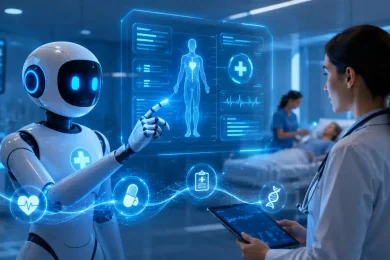
The integration of AI for EHR Systems is transforming how healthcare organizations manage and utilize patient data. Artificial Intelligence enhances these systems by enabling automated data processing, predictive analytics, and intelligent decision support. This shift is helping healthcare providers move from static record-keeping to dynamic, data-driven care delivery.
Organizations like Vegavid are working with healthcare providers to integrate AI into EHR/EMR systems, enabling smarter workflows and improved patient outcomes. As hospitals and clinics increasingly adopt AI-driven solutions, understanding how these technologies enhance EHR/EMR systems becomes essential.
In this comprehensive guide, we explore how AI integrates with EHR/EMR systems, its benefits, real-world use cases, and best practices for implementation.
Understanding EHR and EMR Systems
What are EHR Systems?
EHR systems are digital versions of patient health records that provide a comprehensive view of a patient’s medical history. They are designed to be shared across different healthcare providers, enabling coordinated care.
EHR systems include data such as medical history, diagnoses, medications, treatment plans, and test results.
What are EMR Systems?
EMR systems are digital records used within a single healthcare organization. They focus on patient data specific to one provider or facility.
While EMRs are limited in scope, they play a critical role in managing patient information within individual practices.
Key Differences Between EHR and EMR
The primary difference lies in data sharing and scope. EHR systems are designed for interoperability, while EMR systems are more localized.
AI in EHR Systems: Transforming Healthcare Data
Intelligent Data Processing
AI enables EHR systems to process large volumes of data efficiently, extracting meaningful insights from structured and unstructured information.
Automated Documentation
AI automates documentation by converting voice notes and clinical interactions into structured records.
Predictive Analytics
AI uses historical data to predict patient outcomes and support preventive care.
AI EMR Integration: Enhancing System Capabilities
Seamless Data Integration
AI enhances EMR systems by integrating data from multiple sources, ensuring consistency and accuracy.
Workflow Optimization
AI streamlines workflows by automating repetitive tasks and reducing administrative burden.
Interoperability Improvements
AI improves interoperability by enabling systems to communicate effectively.
Healthcare Data AI: Unlocking Insights
Data Analysis and Interpretation
AI is transforming how healthcare organizations analyze and interpret vast amounts of clinical and operational data stored within EHR and EMR systems. By leveraging advanced algorithms, AI can process structured and unstructured data, including lab results, imaging reports, and physician notes, to identify meaningful patterns and trends. This capability enables healthcare providers to gain deeper insights into patient conditions, treatment effectiveness, and overall health outcomes. By turning raw data into actionable intelligence, AI supports more accurate diagnoses, informed clinical decisions, and improved care delivery.
Real-Time Insights
One of the most significant advantages of AI in healthcare data management is its ability to deliver real-time insights. AI systems continuously analyze incoming data from various sources, allowing healthcare providers to respond quickly to changes in patient conditions. This is particularly valuable in critical care scenarios, where timely decisions can have a direct impact on patient outcomes. Real-time insights also enhance operational efficiency by enabling better resource allocation and workflow optimization. By providing up-to-date information, AI empowers healthcare professionals to make proactive and informed decisions.
Population Health Management
AI plays a crucial role in managing population health by analyzing large datasets to identify trends, risks, and patterns across patient populations. This enables healthcare organizations to detect emerging health issues, monitor disease outbreaks, and develop targeted intervention strategies. AI-driven insights help providers focus on preventive care, reducing the incidence of chronic diseases and improving overall community health. By supporting data-driven decision-making at a population level, AI enables healthcare systems to deliver more effective and efficient care while addressing broader public health challenges.
AI Medical Records: Improving Accuracy and Efficiency
Error Reduction
AI is significantly improving the accuracy of medical records by minimizing human errors that often occur during manual data entry and documentation. By automatically capturing, validating, and cross-referencing patient information, AI systems ensure that records remain consistent and reliable. This is particularly important in healthcare, where even minor inaccuracies can lead to incorrect diagnoses or treatment plans. AI can also detect anomalies or inconsistencies in patient data, alerting healthcare providers to potential issues. By reducing errors, AI enhances the quality of medical records and supports safer, more effective patient care.
Data Standardization
One of the major challenges in healthcare data management is the lack of standardization across different systems and formats. AI addresses this issue by converting diverse data inputs into standardized formats, ensuring consistency and interoperability across EHR and EMR systems. This includes structuring unstructured data such as clinical notes, lab reports, and imaging results. Standardized data improves communication between healthcare providers, facilitates data sharing, and enables more accurate analysis. By ensuring uniformity, AI helps create a more cohesive and efficient healthcare ecosystem.
Enhanced Accessibility
AI improves accessibility to medical records by enabling faster retrieval and intelligent search capabilities. Healthcare providers can quickly access relevant patient information, reducing delays in diagnosis and treatment. AI-powered systems can also prioritize critical data, ensuring that clinicians have immediate access to the most important information. This enhanced accessibility not only improves workflow efficiency but also supports better decision-making. In emergency situations, quick access to accurate medical records can be life-saving, making this capability a crucial benefit of AI integration.
EHR Automation AI: Streamlining Workflows
Administrative Automation
AI is transforming administrative processes within EHR/EMR systems by automating tasks such as appointment scheduling, billing, and patient registration. These tasks, which traditionally require significant manual effort, can now be handled efficiently by AI systems. Automation reduces the workload on administrative staff, minimizes errors, and improves overall operational efficiency. It also ensures faster processing of routine activities, leading to shorter wait times and a better patient experience. By streamlining administrative workflows, AI allows healthcare organizations to allocate resources more effectively.
Clinical Workflow Optimization
AI enhances clinical workflows by reducing the time and effort required for routine tasks such as documentation, data entry, and information retrieval. By automating these processes, healthcare providers can focus more on patient care rather than administrative duties. AI also supports clinical decision-making by providing real-time insights and recommendations, enabling faster and more accurate diagnoses. Optimized workflows improve productivity, reduce burnout among healthcare professionals, and enhance the overall quality of care delivered to patients.
Resource Management
Efficient resource management is critical in healthcare, and AI plays a key role in optimizing the allocation of staff, equipment, and facilities. By analyzing data on patient volumes, treatment patterns, and operational performance, AI systems can predict demand and allocate resources accordingly. This ensures that healthcare providers can meet patient needs without overburdening staff or underutilizing resources. Improved resource management leads to better operational efficiency, reduced costs, and enhanced patient satisfaction.
Benefits of AI in EHR/EMR Systems
Improved Patient Outcomes
AI enhances patient outcomes by enabling more accurate diagnoses, personalized treatment plans, and proactive care. By analyzing patient data and identifying patterns, AI helps healthcare providers make informed decisions that improve the quality of care. Early detection of diseases and timely interventions lead to better health outcomes and reduced complications. This data-driven approach ensures that patients receive the most effective treatments tailored to their specific needs.
Increased Efficiency
Automation powered by AI significantly improves efficiency in healthcare operations by streamlining both administrative and clinical processes. Tasks that once required manual effort can now be completed quickly and accurately, reducing delays and improving workflow. This increased efficiency allows healthcare providers to handle larger patient volumes without compromising the quality of care. It also frees up time for medical professionals to focus on more critical aspects of patient care.
Cost Reduction
AI contributes to cost reduction by optimizing processes, minimizing errors, and improving resource utilization. Automation reduces the need for manual labor in routine tasks, while predictive analytics helps prevent costly complications by enabling early intervention. Additionally, improved efficiency and streamlined workflows reduce operational expenses. Over time, these cost savings make healthcare systems more sustainable and accessible, benefiting both providers and patients.
Use Cases of AI in EHR/EMR Systems
Clinical Decision Support
AI-powered clinical decision support systems are transforming how healthcare professionals interpret and act on patient data within EHR and EMR platforms. These systems analyze a combination of medical history, lab results, imaging data, and clinical guidelines to provide evidence-based recommendations for diagnosis and treatment. By offering real-time insights, AI helps clinicians make more informed decisions, reduce diagnostic errors, and improve patient outcomes. This capability is especially valuable in complex cases where multiple variables must be considered simultaneously. Ultimately, clinical decision support enhances the quality of care while improving efficiency in clinical workflows.
Risk Prediction
AI-driven risk prediction models enable healthcare providers to identify potential health risks before they become critical. By analyzing historical and real-time patient data, AI can detect patterns that indicate the likelihood of conditions such as chronic diseases, complications, or hospital readmissions. This allows clinicians to take preventive measures, adjust treatment plans, and monitor high-risk patients more closely. Risk prediction not only improves patient outcomes but also reduces healthcare costs by minimizing emergency interventions and hospitalizations. Integrating this capability into EHR/EMR systems supports a shift toward proactive and preventive healthcare.
Patient Engagement
AI enhances patient engagement by enabling personalized communication and continuous interaction between patients and healthcare providers. Through EHR/EMR systems, AI can deliver tailored reminders for appointments, medications, and follow-up care based on individual patient needs. It can also provide educational content and health recommendations, empowering patients to take an active role in their care. Improved engagement leads to better adherence to treatment plans, higher patient satisfaction, and improved long-term health outcomes. By fostering stronger relationships between patients and providers, AI contributes to a more patient-centric healthcare experience.
Role of AI Development Companies
Expertise in Healthcare Solutions
An experienced AI Development Company plays a vital role in implementing AI solutions within EHR and EMR systems. These companies bring specialized knowledge in healthcare data management, system integration, and regulatory compliance, ensuring that AI technologies are deployed effectively and safely. Their expertise helps organizations design scalable solutions that enhance both clinical and administrative workflows. By leveraging professional guidance, healthcare providers can accelerate adoption and achieve better outcomes with reduced risks.
Hiring Skilled Professionals
Organizations often choose to Hire AI Developers who possess the technical expertise required to build and manage advanced AI systems in healthcare environments. These professionals are responsible for developing algorithms, integrating AI models with existing systems, and ensuring data security and system performance. Their skills are essential for handling the complexities of healthcare data and delivering accurate, reliable insights. Investing in skilled talent ensures that AI solutions are implemented successfully and remain effective over time.
Customized Solutions
AI development companies provide customized solutions tailored to the specific needs and objectives of healthcare providers. These solutions consider factors such as clinical workflows, patient demographics, and existing infrastructure to deliver optimal results. Companies like Vegavid focus on creating flexible and scalable AI systems that align with healthcare requirements while maintaining efficiency and compliance. By offering tailored approaches, they help organizations maximize the value of AI and improve both operational performance and patient care.
Challenges in Implementing AI in EHR/EMR Systems
Challenges in Implementing AI in EHR/EMR Systems
Data Privacy and Security
Protecting patient data is a critical concern when integrating AI into EHR and EMR systems, as these platforms handle highly sensitive medical information. Healthcare organizations must implement robust security measures such as encryption, access controls, and continuous monitoring to safeguard data from breaches and unauthorized access. Additionally, ensuring transparency in how data is collected, stored, and used is essential for maintaining patient trust. With increasing cyber threats targeting healthcare systems, organizations must adopt a proactive approach to security, including regular audits and vulnerability assessments, to ensure the integrity and confidentiality of patient information.
Integration Complexity
Integrating AI with existing EHR/EMR systems can be a complex and resource-intensive process, particularly when dealing with legacy infrastructure. Many healthcare systems were not originally designed to support advanced AI capabilities, leading to compatibility challenges. Organizations must ensure seamless communication between AI models, data sources, and existing workflows, which often requires system upgrades and careful planning. Collaboration between technical teams and healthcare professionals is essential to ensure that integration does not disrupt clinical operations. A well-defined strategy helps minimize risks and ensures that AI solutions deliver their intended benefits.
Regulatory Compliance
Healthcare organizations must adhere to strict regulatory requirements when implementing AI in EHR/EMR systems. These regulations are designed to protect patient privacy, ensure data security, and maintain the quality of care. Compliance involves meeting standards related to data handling, system performance, and clinical accuracy. Regulations may vary across regions, adding complexity for organizations operating in multiple jurisdictions. Ensuring compliance requires thorough documentation, regular audits, and continuous monitoring of AI systems to ensure they remain aligned with legal and ethical standards.
Best Practices for AI Implementation
Define Clear Objectives
Organizations must begin by defining clear and measurable objectives for AI adoption within EHR/EMR systems. Identifying specific use cases, such as improving clinical decision-making or automating administrative tasks, helps ensure that AI initiatives are aligned with business and healthcare goals. Clear objectives provide direction, enable effective resource allocation, and establish benchmarks for evaluating success. This strategic clarity is essential for achieving meaningful outcomes and avoiding fragmented implementations.
Invest in Data Quality
High-quality data is essential for the success of AI systems in healthcare. Accurate, consistent, and well-structured data enables AI models to generate reliable insights and support effective decision-making. Organizations must implement strong data governance practices, including data validation, cleaning, and standardization, to maintain data integrity. Poor data quality can lead to inaccurate predictions and reduced trust in AI systems. By prioritizing data quality, healthcare providers can maximize the value of their AI investments and improve patient outcomes.
Continuous Monitoring
AI systems require continuous monitoring and regular updates to maintain performance and adapt to changing healthcare environments. Monitoring tools help identify anomalies, detect performance issues, and ensure compliance with regulatory standards. As medical practices and patient data evolve, AI models must be updated to remain accurate and relevant. A proactive approach to monitoring ensures that systems continue to deliver value and support high-quality care over time.
Collaborate with Experts
Collaborating with experienced professionals and specialized organizations is essential for successful AI implementation in EHR/EMR systems. Experts bring valuable insights into system design, integration, and compliance, helping organizations navigate complex challenges. Partnering with companies like Vegavid enables healthcare providers to access tailored solutions that align with their specific needs and objectives. This collaboration accelerates implementation, reduces risks, and ensures that AI systems are scalable, secure, and effective.
Future Trends in AI for EHR Systems
Increased Adoption
The adoption of AI in EHR systems is expected to accelerate as healthcare organizations recognize its ability to improve efficiency, accuracy, and patient outcomes. As AI technologies become more accessible and cost-effective, hospitals, clinics, and healthcare networks of all sizes will increasingly integrate intelligent capabilities into their record management systems. This widespread adoption will transform EHR platforms from passive data repositories into active decision-support tools that enhance clinical workflows. Over time, AI-driven EHR systems will become a standard component of modern healthcare infrastructure, enabling providers to deliver more responsive and data-driven care.
Integration with Emerging Technologies
AI in EHR systems will increasingly integrate with emerging technologies such as the Internet of Things (IoT), wearable devices, and remote monitoring tools. This integration will enable continuous data collection and real-time analysis, allowing healthcare providers to monitor patient health beyond clinical settings. For example, wearable devices can track vital signs and feed data directly into EHR systems, where AI algorithms analyze the information to detect anomalies and provide actionable insights. This convergence of technologies will support proactive care models, improve patient engagement, and enhance the overall effectiveness of healthcare delivery.
Advancements in AI Capabilities
Ongoing advancements in AI technologies will significantly enhance the capabilities of EHR and EMR systems. Improvements in machine learning, Natural Language Processing, and data analytics will enable more accurate predictions, better clinical insights, and more efficient workflows. AI systems will become increasingly capable of processing unstructured data, such as clinical notes and medical images, providing deeper insights into patient health. These advancements will also support personalized medicine by enabling tailored treatment plans based on individual patient data. As AI continues to evolve, EHR systems will become more intelligent, adaptive, and valuable to healthcare providers.
Real-World Applications of AI in EHR/EMR
Chronic Disease Management
AI is playing a vital role in managing chronic diseases by enabling continuous monitoring and analysis of patient data within EHR systems. By tracking vital signs, treatment adherence, and lifestyle factors, AI can identify patterns that indicate potential health risks. This allows healthcare providers to intervene early, adjust treatment plans, and prevent complications. Patients benefit from personalized care and ongoing support, which improves long-term health outcomes and reduces hospital visits. Chronic disease management through AI-driven EHR systems represents a shift toward proactive and preventive healthcare.
Emergency Response Systems
AI-powered EHR systems enhance emergency response by providing real-time access to critical patient information and supporting rapid decision-making. In emergency situations, AI can analyze patient data, prioritize cases, and recommend immediate actions to healthcare providers. This capability improves response times and ensures that patients receive timely and appropriate care. Additionally, AI can assist in coordinating resources and managing patient flow during emergencies, making healthcare systems more efficient and resilient.
Remote Diagnostics
Remote diagnostics is a key application of AI in EHR/EMR systems, enabling healthcare providers to diagnose conditions without requiring patients to be physically present. AI algorithms analyze patient data, medical records, and diagnostic inputs to provide accurate assessments and recommendations. This is particularly beneficial for patients in remote or underserved areas, where access to specialized healthcare is limited. By enabling accurate and timely diagnosis, AI-driven EHR systems improve patient outcomes and expand access to high-quality care.
Conclusion
The integration of artificial intelligence into EHR and EMR systems represents a significant step forward in modern healthcare. By transforming how data is processed, analyzed, and utilized, AI is enabling healthcare providers to deliver more efficient, accurate, and personalized care. From automating workflows to supporting clinical decision-making, the impact of AI on EHR/EMR systems is both profound and far-reaching.
As healthcare organizations continue to adopt AI for EHR Systems, they must focus on strategic implementation, data quality, and continuous innovation. Companies like Vegavid are playing an important role in helping providers navigate this transformation and build scalable, future-ready solutions.
The future of healthcare lies in intelligent systems that can adapt, learn, and provide actionable insights in real time. By embracing AI-driven EHR/EMR solutions, organizations can improve patient outcomes, enhance operational efficiency, and stay ahead in an increasingly competitive landscape.
Are you ready to transform your healthcare systems with AI and unlock the full potential of your data?
FAQs
AI for EHR systems refers to the integration of artificial intelligence into electronic health record platforms to enhance data processing, automation, and decision-making. It works by analyzing patient data, identifying patterns, and providing insights that support clinical and administrative tasks, improving efficiency and accuracy.
The main benefits include improved patient outcomes, increased operational efficiency, and cost reduction. AI helps automate workflows, reduce errors in medical records, and provide real-time insights that support better clinical decisions and overall healthcare performance.
AI improves medical records accuracy by automating data entry, validating information, and identifying inconsistencies or errors. It ensures that patient data is consistent, standardized, and up-to-date, reducing the risk of incorrect diagnoses or treatments.
Challenges include data privacy and security concerns, integration with legacy systems, and compliance with healthcare regulations. Additionally, maintaining high-quality data and managing implementation costs can be difficult but are essential for successful adoption.
Common use cases include clinical decision support, risk prediction, patient engagement, workflow automation, and population health management. These applications help healthcare providers improve efficiency, enhance patient care, and make data-driven decisions.

Yash Singh is the Chief Marketing Officer at Vegavid Technology, a leading AI-driven technology company specializing in AI agents, Generative AI, Blockchain, and intelligent automation solutions. With over a decade of experience in digital transformation and emerging technologies, Yash has played a key role in helping businesses adopt advanced AI solutions that enhance operational efficiency, automate workflows, and deliver personalized customer experiences across industries including fintech, healthcare, gaming, ecommerce, and enterprise technology. An alumnus of Indian Institute of Technology Bombay, Yash combines strong technical expertise with strategic marketing leadership to drive innovation in AI-powered applications, autonomous AI agents, Retrieval-Augmented Generation (RAG), Natural Language Processing (NLP), Large Language Models (LLMs), machine learning systems, conversational AI, and enterprise automation platforms. His expertise spans AI model integration, intelligent workflow automation, prompt engineering, smart data processing, and scalable AI infrastructure development, enabling organizations to accelerate digital transformation and business growth. Passionate about the future of intelligent systems, Yash actively shares insights on AI agents, Generative AI, LLM-powered applications, blockchain ecosystems, and next-generation digital strategies. He is committed to helping businesses embrace AI-first transformation while guiding teams to build impactful, industry-specific solutions that shape the future of innovation and intelligent technology.






Leave a Reply