

What is API Development?
Introduction
API development has become the backbone of modern digital ecosystems. Whether it’s mobile applications, SaaS platforms, fintech systems, or enterprise software, APIs enable seamless communication between systems, services, and devices. In a world increasingly driven by artificial intelligence, cloud computing, and distributed architectures, APIs act as the invisible connectors that power scalability, automation, and innovation.
Businesses today no longer operate in silos. Instead, they rely on interconnected digital ecosystems that demand efficient data exchange and integration. This is where API development plays a crucial role. From enabling integrations with payment gateways to supporting real-time analytics and automation, APIs are essential for delivering seamless user experiences and driving operational efficiency.
For organizations exploring digital transformation, understanding API development is not optional—it is a strategic necessity. This guide explores API development in depth, including its architecture, tools, challenges, and real-world applications.
What is API Development? A Complete Definition and Overview
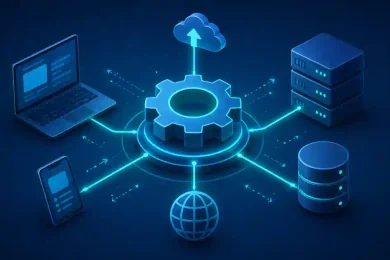
API development refers to the process of designing, building, testing, and maintaining application programming interfaces (APIs). An API acts as a bridge that allows different software systems to communicate with each other using predefined protocols and data formats.
In simple terms, APIs enable applications to request and exchange data without exposing internal code or system complexity. For example, when you use a weather app, it fetches data from a remote server via an API.
Modern API development often aligns with software development types tools methodologies design, ensuring flexibility, scalability, and maintainability across applications.
APIs are widely used across industries, including finance, healthcare, logistics, and e-commerce. They are also foundational in emerging technologies like blockchain and IoT ecosystems.
How APIs Work: Understanding the Basics
APIs function through a request-response model. A client (such as a web app or mobile app) sends a request to a server via an API. The server processes the request and sends back a response.
The communication typically uses protocols such as HTTP or HTTPS. Data is commonly exchanged in formats like JSON or XML.
The basic workflow includes:
A client sends a request to an API endpoint
The API processes the request
The server retrieves or modifies data
A response is sent back to the client
This structured interaction enables modular system design, allowing different components to evolve independently.
Types of APIs You Should Know
APIs can be categorized based on accessibility and usage.
Open APIs are publicly accessible and used by developers to build integrations.
Internal APIs are used within an organization to improve operational efficiency.
Partner APIs are shared with specific business partners.
Composite APIs allow multiple operations in a single request.
Understanding these types helps businesses design scalable systems aligned with their growth strategies.
REST vs SOAP vs GraphQL APIs Explained
Different API architectures serve different use cases.
REST APIs are lightweight and widely used. They rely on stateless communication and support JSON format.
SOAP APIs use XML and provide higher security and reliability for enterprise systems.
GraphQL APIs allow clients to request specific data, improving performance and flexibility.
REST is commonly used in modern applications, while SOAP is still relevant in legacy enterprise systems. GraphQL is gaining traction for dynamic data querying.
Key Components of API Development
API development involves several critical components.
Endpoints define where APIs can be accessed.
Requests include parameters and headers.
Responses contain data returned by the server.
Authentication ensures secure access.
Rate limiting controls usage.
These components ensure APIs function efficiently and securely across different environments.
API Architecture and Design Principles
Effective API architecture is crucial for scalability and performance. Modern APIs often follow microservices architecture, where applications are broken into smaller, independent services.
Best design principles include:
Consistency in naming conventions
Version control for backward compatibility
Statelessness for scalability
Error handling and logging
Organizations designing APIs often align them with design software architecture tips best practices to ensure long-term sustainability.
Authentication and Security in API Development
Security is a critical aspect of API development. APIs expose data and functionality, making them potential targets for cyberattacks.
Common authentication methods include:
API keys
OAuth
JWT tokens
Encryption protocols such as Transport Layer Security ensure secure data transmission.
Implementing robust security practices protects sensitive data and builds trust among users.
API Documentation and Versioning Best Practices
Clear documentation is essential for API adoption. It helps developers understand how to use APIs effectively.
Documentation should include:
Endpoint details
Request and response examples
Error codes
Versioning ensures that updates do not break existing integrations. Maintaining multiple versions allows smooth transitions and backward compatibility.
Tools and Technologies Used in API Development
API development relies on a wide range of tools and technologies.
Frameworks like Node.js and Django are widely used.
Testing tools like Postman simplify API validation.
Documentation tools like Swagger improve usability.
APIs also integrate with advanced technologies such as machine learning and automation platforms.
For businesses exploring advanced solutions, enterprise software development plays a key role in building scalable API-driven systems.
Benefits of API Development for Businesses
API development offers numerous business advantages.
It enables faster development by reusing existing components.
It improves scalability and flexibility.
It enhances user experience through seamless integrations.
APIs also drive innovation by enabling integration with external services such as payment gateways and analytics platforms.
Companies leveraging APIs often combine them with custom software development benefits challenges best practices to maximize ROI.
Common Challenges in API Development
Despite its benefits, API development comes with challenges.
Managing security risks
Ensuring performance at scale
Maintaining documentation
Handling versioning complexities
Organizations must adopt structured strategies to overcome these challenges and ensure long-term success.
Best Practices for Building Scalable APIs
Building scalable APIs requires a strategic approach that aligns with performance optimization, system resilience, and long-term maintainability. As businesses grow and user demand increases, APIs must be capable of handling high traffic without compromising speed or reliability.
One of the most effective techniques is implementing caching mechanisms. Caching reduces the load on servers by storing frequently accessed data, ensuring faster response times and improved user experience. Technologies like Redis and CDN-based caching are commonly used to enhance API performance at scale.
Rate limiting is another critical practice. By controlling the number of API requests a client can make within a specific timeframe, businesses can prevent abuse, mitigate DDoS risks, and maintain system stability. This is particularly important for public-facing APIs used by multiple applications.
Designing for fault tolerance ensures that APIs remain operational even when parts of the system fail. Techniques such as load balancing, circuit breakers, and fallback mechanisms help maintain service continuity. This is essential for mission-critical applications like fintech and healthcare platforms.
Modern scalable APIs are typically built using microservices architecture, which allows independent deployment and scaling of services. This modular approach improves flexibility and enables faster development cycles.
Organizations looking to scale effectively often align their API strategies with design software architecture tips best practices to ensure robust and future-proof systems.
Scalable APIs are essential for handling high traffic, supporting global user bases, and ensuring consistent performance across platforms.
API Integration with Third-Party Services
APIs enable seamless integration with third-party services such as payment gateways, CRM platforms, analytics tools, and cloud-based solutions. This interconnected approach allows businesses to extend functionality without building everything from scratch.
For example, fintech platforms integrate APIs to enable secure transactions, fraud detection, and real-time financial data processing. Similarly, healthcare systems use APIs to exchange patient data securely across systems, improving interoperability and patient outcomes.
API integration also supports innovations in Internet of Things ecosystems, where devices communicate in real time to deliver intelligent automation and predictive insights.
In enterprise environments, API integrations are often combined with enterprise software development to create unified digital ecosystems that enhance operational efficiency and decision-making.
Additionally, businesses leveraging decentralized technologies can integrate APIs with blockchain systems, as explored in blockchain technology revolutionize world, to enable transparency and secure data exchange.
Real-World Use Cases of API Development
API development is widely used across industries, enabling businesses to build scalable, efficient, and connected systems.
E-commerce platforms use APIs for payment processing, inventory management, and order tracking. APIs ensure real-time synchronization between multiple systems, enhancing customer experience and operational efficiency.
Healthcare systems rely on APIs for secure data sharing, enabling interoperability between hospitals, insurance providers, and digital health platforms. This improves patient care and reduces administrative overhead.
Fintech platforms depend heavily on APIs for secure transactions, identity verification, and compliance processes. APIs are the backbone of modern financial ecosystems, supporting digital wallets, payment gateways, and banking integrations.
APIs also play a critical role in fintech software development company operations, enabling scalable and secure financial infrastructures.
In AI-driven environments, APIs power intelligent applications such as chatbots, recommendation engines, and automation systems. For example, APIs enable solutions like ai chatbot solution will revolutionize customer service, improving customer engagement and operational efficiency.
APIs are also foundational in applications leveraging machine learning, enabling real-time predictions and data-driven insights.
Future Trends in API Development
The future of API development is evolving rapidly as new technologies and architectural patterns emerge. Businesses are increasingly adopting advanced approaches to build more efficient and intelligent systems.
Serverless architectures are gaining popularity, allowing developers to build and deploy APIs without managing infrastructure. This reduces operational overhead and improves scalability.
AI-powered APIs are becoming mainstream, enabling applications to integrate intelligent features such as natural language processing, predictive analytics, and automation. These APIs are transforming industries by enhancing decision-making and personalization.
Event-driven architectures are improving real-time data processing, enabling systems to respond instantly to changes and user interactions. This is particularly valuable in industries like finance, logistics, and e-commerce.
Technologies like microservices and DevOps are shaping the next generation of APIs by enabling continuous delivery, scalability, and resilience.
Businesses exploring intelligent automation often combine APIs with insights from artificial intelligence real world applications to build innovative and future-ready solutions.
Organizations that invest in API-driven ecosystems today will be better positioned to adapt to emerging technologies and evolving market demands.
Conclusion
API development is a cornerstone of modern software architecture, enabling seamless communication between systems, applications, and services. It supports scalability, drives innovation, and empowers businesses to build interconnected digital ecosystems.
As industries continue to embrace digital transformation, APIs will remain essential for delivering intelligent, efficient, and scalable solutions. From fintech and healthcare to e-commerce and AI-driven platforms, APIs are at the heart of modern technology innovation.
Organizations that prioritize robust API strategies, security, and scalability will gain a significant competitive advantage in an increasingly interconnected world.
If you’re looking to build scalable, secure, and future-ready APIs, explore software development company solutions or contact us to discuss your requirements with experts.
Frequently Asked Questions

Yash Singh is the Chief Marketing Officer at Vegavid Technology, a leading AI-driven technology company specializing in AI agents, Generative AI, Blockchain, and intelligent automation solutions. With over a decade of experience in digital transformation and emerging technologies, Yash has played a key role in helping businesses adopt advanced AI solutions that enhance operational efficiency, automate workflows, and deliver personalized customer experiences across industries including fintech, healthcare, gaming, ecommerce, and enterprise technology. An alumnus of Indian Institute of Technology Bombay, Yash combines strong technical expertise with strategic marketing leadership to drive innovation in AI-powered applications, autonomous AI agents, Retrieval-Augmented Generation (RAG), Natural Language Processing (NLP), Large Language Models (LLMs), machine learning systems, conversational AI, and enterprise automation platforms. His expertise spans AI model integration, intelligent workflow automation, prompt engineering, smart data processing, and scalable AI infrastructure development, enabling organizations to accelerate digital transformation and business growth. Passionate about the future of intelligent systems, Yash actively shares insights on AI agents, Generative AI, LLM-powered applications, blockchain ecosystems, and next-generation digital strategies. He is committed to helping businesses embrace AI-first transformation while guiding teams to build impactful, industry-specific solutions that shape the future of innovation and intelligent technology.









Leave a Reply