

AI in CRM Systems: Automation & Insights, Customer Data Intelligence, and Business Growth
Introduction
Customer relationship management (CRM) has long been the backbone of sales, marketing, and customer service operations. As businesses grow and customer interactions become more complex, traditional CRM systems often struggle to deliver the level of intelligence and efficiency required in today’s competitive environment. Organizations now deal with vast amounts of customer data across multiple touchpoints, making it increasingly difficult to extract meaningful insights using manual or rule-based approaches.
This is where AI in CRM Systems is revolutionizing how businesses manage customer relationships. Artificial Intelligence introduces automation, predictive analytics, and data-driven decision-making, enabling organizations to transform raw customer data into actionable insights. By integrating AI into CRM platforms, businesses can enhance customer engagement, streamline operations, and drive sustainable growth.
AI-powered CRM systems go beyond basic data storage and reporting. They analyze customer behavior, predict future actions, and automate workflows, allowing businesses to deliver personalized experiences at scale. Companies like Vegavid are helping organizations implement AI-driven CRM solutions that align with their business goals and improve overall performance.
This article explores the technologies, benefits, use cases, and implementation strategies of AI in CRM systems, providing a comprehensive guide for businesses looking to enhance customer intelligence and achieve long-term success.
Understanding AI in CRM Systems
Artificial intelligence in CRM refers to the integration of machine learning, data analytics, and automation technologies into CRM platforms to enhance functionality and decision-making. These systems enable businesses to gain deeper insights into customer behavior and optimize their interactions accordingly.
Evolution of CRM Systems
CRM systems have evolved from simple databases to advanced platforms that support sales, marketing, and customer service functions. Early systems focused on data storage, while modern AI-powered CRMs provide predictive insights and automation capabilities.
Key Components of AI-Driven CRM
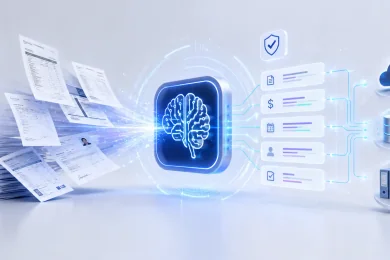
AI-driven CRM systems include data collection tools, analytics engines, machine learning models, and automation modules. These components work together to provide a unified view of customer interactions and generate actionable insights.
Importance of Customer Data Intelligence
Customer data intelligence is critical for understanding customer needs and preferences. AI enables businesses to analyze large datasets and uncover patterns that drive better decision-making.
Organizations working with companies like Vegavid are leveraging AI to build intelligent CRM systems that enhance customer relationships and business outcomes.
Core Technologies Behind AI CRM Systems
AI-powered CRM systems rely on advanced technologies that enable intelligent data processing and automation.
Machine Learning Algorithms
Machine Learning algorithms analyze customer data to identify patterns, predict behavior, and optimize interactions. These models improve over time, increasing their accuracy and effectiveness.
Natural Language Processing
Natural Language Processing allows CRM systems to understand and analyze customer communications, such as emails and chat messages. This enables more accurate and context-aware responses.
Predictive Analytics
Predictive analytics helps businesses forecast customer behavior, identify opportunities, and optimize strategies. This enables proactive decision-making and improved customer engagement.
Cloud Computing
Cloud platforms provide scalability and flexibility, enabling businesses to manage large volumes of customer data efficiently.
AI CRM Automation
AI CRM automation is transforming how businesses manage customer relationships by reducing manual effort and improving efficiency.
Workflow Automation
AI automates CRM workflows, such as lead management, follow-ups, and task assignments. This ensures that processes are executed consistently and efficiently.
Data Entry Automation
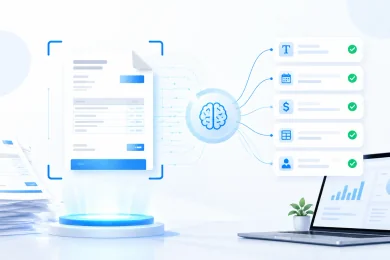
AI eliminates manual data entry by automatically capturing and updating customer information. This reduces errors and improves data accuracy.
Task Prioritization
AI prioritizes tasks based on urgency and importance, helping teams focus on high-value activities.
The adoption of AI CRM automation is enabling businesses to streamline operations and improve productivity.
CRM AI Insights
Customer Behavior Analysis
AI analyzes customer interactions across multiple touchpoints, including emails, website visits, and purchase history, to understand preferences, trends, and behavioral patterns. This enables businesses to gain a deeper understanding of customer needs and tailor their strategies accordingly.
Predictive Insights
AI leverages historical data and machine learning models to predict customer actions, such as purchasing behavior or churn risk. These predictive insights allow businesses to anticipate customer needs and deliver personalized experiences that improve engagement and retention.
Performance Metrics
AI provides detailed insights into sales and marketing performance by analyzing key metrics and identifying trends. This helps businesses evaluate the effectiveness of their strategies and make data-driven decisions to improve outcomes.
AI Customer Data Analysis
Data Integration
AI integrates data from multiple sources, such as CRM systems, social media, and customer interactions, creating a unified and comprehensive view of each customer. This eliminates data silos and enhances decision-making.
Pattern Recognition
AI identifies patterns in customer data, uncovering hidden insights into behavior, preferences, and trends. These insights help businesses refine their strategies and deliver more targeted and effective campaigns.
Real-Time Analytics
AI provides real-time analytics, enabling businesses to respond quickly to customer actions and changing market conditions. This agility improves customer experience and supports timely decision-making.
AI CRM Tools
Analytics Tools
AI-powered analytics tools offer in-depth insights into customer behavior, campaign performance, and engagement trends. These tools empower businesses to optimize their strategies and achieve better results.
Automation Platforms
Automation platforms streamline CRM processes by handling repetitive tasks such as data entry, follow-ups, and workflow management. This improves efficiency and allows teams to focus on strategic activities.
Communication Tools
AI enhances communication by delivering personalized interactions, automated responses, and intelligent recommendations. This improves customer engagement and ensures consistent communication across channels.
These AI CRM tools are becoming essential for modern businesses aiming to enhance efficiency, scalability, and customer engagement.
CRM Automation AI Systems
Lead Management
AI automates lead management by identifying, scoring, and prioritizing high-value prospects. This enables sales teams to focus on the most promising opportunities and improve conversion rates.
Customer Segmentation
AI segments customers based on behavior, demographics, and preferences, allowing businesses to deliver targeted marketing campaigns and personalized experiences.
Campaign Management
AI automates campaign management by optimizing execution, monitoring performance, and making real-time adjustments. This ensures consistent results and maximizes return on investment.
Benefits of AI in CRM Systems
The adoption of AI in CRM systems offers numerous benefits that enhance efficiency and effectiveness.
Increased Efficiency
AI automates repetitive CRM tasks, reducing the time and effort required for manual processes. This allows teams to focus on strategic activities and improves overall productivity.
Improved Accuracy
AI systems analyze data with high precision, minimizing errors and ensuring consistent results. This enhances the reliability of CRM processes.
Cost Reduction
By optimizing workflows and resource allocation, AI reduces operational costs associated with CRM management.
Enhanced Customer Experience
AI enables personalized interactions and faster responses, improving customer satisfaction and loyalty.
Organizations working with companies like Vegavid are achieving significant improvements in CRM efficiency and customer engagement through AI adoption.
Implementation Strategies for AI in CRM Systems
Assessing Business Needs
Businesses must begin by identifying their specific CRM challenges, operational gaps, and customer engagement goals before implementing AI solutions. This ensures that AI initiatives are aligned with broader business objectives and deliver measurable improvements in efficiency and customer relationship management.
Selecting the Right Tools
Choosing the appropriate AI tools requires careful evaluation of their functionality, scalability, and compatibility with existing CRM platforms. The right tools enable organizations to automate processes effectively while maintaining flexibility for future growth and evolving customer demands.
Data Preparation
High-quality, structured data is essential for training AI models and generating accurate insights. Proper data cleaning, integration, and governance practices form the foundation for successful AI implementation and reliable CRM performance.
Partnering with Experts
Collaborating with an experienced AI Development Company helps businesses overcome technical complexities and accelerate implementation. Companies like Vegavid provide tailored solutions that align with specific CRM objectives and ensure optimal outcomes.
Challenges in AI CRM Systems
Data Privacy Concerns
Customer data is highly sensitive and must be protected with robust security measures such as encryption, access controls, and compliance with data protection regulations. Ensuring data privacy is critical for maintaining customer trust and regulatory compliance.
Integration Complexity
Integrating AI system with existing CRM platforms and workflows can be complex and time-consuming. A well-planned implementation strategy is essential to ensure seamless adoption without disrupting ongoing operations.
High Initial Costs
AI implementation requires significant upfront investment in infrastructure, tools, and skilled resources. However, these costs are often offset by long-term efficiency gains and improved customer insights.
Skill Gap
The shortage of professionals with expertise in AI and CRM technologies can slow down adoption. Many organizations choose to Hire AI Developers to build customized solutions and effectively bridge this gap.
Future Trends in AI CRM Systems
Hyper-Personalization
AI will drive hyper-personalized customer interactions by analyzing individual preferences, behaviors, and historical data in real time. This will enable businesses to deliver tailored experiences that strengthen customer relationships and improve engagement.
Conversational AI
AI-powered chatbots and virtual assistants will become more advanced, enabling natural and meaningful conversations with customers. These tools will enhance communication, provide instant support, and improve overall customer satisfaction.
Advanced Analytics
AI will deliver deeper and more actionable insights into customer behavior, sales performance, and market trends. This will empower businesses to make data-driven decisions and continuously optimize their CRM strategies.
Integration with Emerging Technologies
AI will increasingly integrate with technologies such as the Internet of Things (IoT), enabling more connected and intelligent CRM systems. This integration will enhance data collection, real-time insights, and customer engagement.
Choosing the Right AI Partner
Expertise and Experience
Businesses should select partners with proven expertise in AI and CRM technologies to ensure effective implementation. Experienced providers can help minimize risks and deliver solutions aligned with business objectives.
Customization Capabilities
Every organization has unique CRM requirements, making customized AI solutions essential for achieving optimal results. Tailored implementations ensure better alignment with workflows and customer engagement strategies.
Support and Maintenance
Ongoing support and maintenance are critical for ensuring the long-term performance of AI systems. Regular updates and monitoring help businesses adapt to evolving technologies and maintain efficiency.
Working with experienced providers like Vegavid ensures that organizations receive comprehensive support and guidance throughout their AI adoption journey.
Real-World Use Cases of AI in CRM Systems
E-Commerce
AI enhances CRM systems in e-commerce by delivering personalized product recommendations, analyzing customer behavior, and improving overall customer experience. This leads to higher engagement and increased conversions.
Retail
In retail, AI improves customer engagement through targeted marketing campaigns and personalized interactions. This helps businesses build stronger relationships and drive sales performance.
Healthcare
AI supports healthcare CRM by improving patient management, communication, and service delivery. This results in better patient experiences and more efficient operations.
Financial Services
AI enables financial institutions to gain deeper customer insights and deliver targeted marketing strategies. This improves customer retention, engagement, and overall business growth.
Conclusion
Artificial Intelligence is transforming CRM systems by enabling automation, improving accuracy, and enhancing customer intelligence. From predictive analytics to personalized interactions, AI is helping businesses build stronger relationships and achieve better outcomes.
As technology continues to evolve, the adoption of AI in CRM systems will become increasingly important. Businesses that invest in AI today will be better positioned to manage customer relationships and drive growth.
Companies like Vegavid are playing a key role in helping organizations implement AI-driven CRM solutions that deliver real value.
Are you ready to transform your CRM strategy and unlock the full potential of AI-driven solutions?
FAQs
AI in CRM systems refers to the use of artificial intelligence technologies to automate processes, analyze customer data, and generate actionable insights. It helps businesses improve customer relationships and make data-driven decisions.
AI improves CRM performance by automating repetitive tasks, providing predictive insights, and analyzing customer behavior. This enables businesses to optimize strategies and enhance customer engagement.
CRM AI insights are data-driven insights generated by AI systems that help businesses understand customer behavior, predict trends, and improve decision-making. These insights support more effective sales and marketing strategies.
AI CRM tools are platforms or software solutions that use artificial intelligence to enhance CRM functionality. They provide automation, analytics, and personalized communication to improve efficiency and customer experience.
AI in CRM systems offers benefits such as increased efficiency, improved accuracy, cost reduction, and enhanced customer experience. It helps businesses streamline operations and achieve better outcomes.

Yash Singh is the Chief Marketing Officer at Vegavid Technology, a leading AI-driven technology company specializing in AI agents, Generative AI, Blockchain, and intelligent automation solutions. With over a decade of experience in digital transformation and emerging technologies, Yash has played a key role in helping businesses adopt advanced AI solutions that enhance operational efficiency, automate workflows, and deliver personalized customer experiences across industries including fintech, healthcare, gaming, ecommerce, and enterprise technology. An alumnus of Indian Institute of Technology Bombay, Yash combines strong technical expertise with strategic marketing leadership to drive innovation in AI-powered applications, autonomous AI agents, Retrieval-Augmented Generation (RAG), Natural Language Processing (NLP), Large Language Models (LLMs), machine learning systems, conversational AI, and enterprise automation platforms. His expertise spans AI model integration, intelligent workflow automation, prompt engineering, smart data processing, and scalable AI infrastructure development, enabling organizations to accelerate digital transformation and business growth. Passionate about the future of intelligent systems, Yash actively shares insights on AI agents, Generative AI, LLM-powered applications, blockchain ecosystems, and next-generation digital strategies. He is committed to helping businesses embrace AI-first transformation while guiding teams to build impactful, industry-specific solutions that shape the future of innovation and intelligent technology.






Leave a Reply