

What Is the Best AI Platform for Enterprise Claims Management? Top Solutions Compared
Introduction
The insurance industry is undergoing a major transformation driven by digital innovation, data intelligence, and automation. Among the most impactful changes is the integration of Artificial Intelligence into claims management processes. Traditionally, claims processing has been time-consuming, error-prone, and heavily reliant on manual workflows. However, AI is redefining how insurers assess, process, and settle claims with greater efficiency and accuracy.
Today, enterprises are actively seeking the best technologies to streamline their claims operations while maintaining compliance and customer satisfaction. This has led to the rise of the AI Claims Management Platform, a comprehensive solution designed to automate workflows, reduce fraud, and improve decision-making.
Organizations now face a critical question: what is the best AI platform for enterprise claims management? The answer depends on several factors, including scalability, integration capabilities, and advanced analytics features. Whether companies choose to Hire AI Developers or collaborate with an AI Development Company, selecting the right platform is essential for achieving long-term success.
This article explores the leading AI platforms, their features, use cases, and benefits, helping enterprises make informed decisions in an increasingly competitive landscape.
Understanding AI in Enterprise Claims Management
Artificial intelligence in claims management refers to the use of machine learning, Natural Language Processing, and automation technologies to enhance the claims lifecycle. From claim intake to settlement, AI enables faster processing, improved accuracy, and better customer experiences.
Role of AI in Claims Processing
AI system analyze structured and unstructured data to automate claim validation, document verification, and fraud detection. This reduces manual intervention and accelerates decision-making.
Key Capabilities of AI Systems
Modern enterprise AI claims software offers several advanced capabilities that redefine traditional workflows.
Intelligent Data Extraction
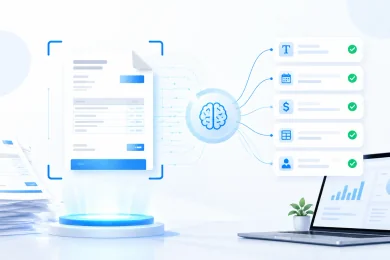
AI can extract relevant information from documents such as claim forms, invoices, and medical reports with high accuracy.
Automated Decision-Making
AI-driven systems can assess claims based on predefined rules and historical data, enabling faster approvals or rejections.
Fraud Detection
AI identifies suspicious patterns and anomalies that may indicate fraudulent claims.
Companies like Vegavid emphasize integrating intelligent automation into claims workflows to enhance operational efficiency and reduce processing times.
What Makes an AI Claims Management Platform Effective
Choosing the right AI Claims Management Platform requires understanding the key factors that contribute to its effectiveness.
Scalability
An effective platform must handle increasing volumes of claims without compromising performance.
Integration Capabilities
Seamless integration with existing systems, such as CRM and ERP platforms, is essential for smooth operations.
Data Security
Given the sensitive nature of claims data, robust security measures are critical.
Customization
The platform should be adaptable to specific business requirements and workflows.
User Experience
A user-friendly interface ensures that employees can easily navigate and utilize the system.
Organizations working with an AI Development Company often prioritize these factors to ensure successful implementation.
Top AI Platforms for Enterprise Claims Management
Several AI platforms have emerged as leaders in enterprise claims management, offering advanced features and capabilities.
IBM Watson
IBM Watson provides powerful AI capabilities for claims processing, including natural language processing and advanced analytics. It enables insurers to automate workflows and improve decision-making at scale.
Google Cloud AI
Google Cloud AI offers scalable solutions for claims management, leveraging machine learning and data analytics to enhance efficiency and accuracy across enterprise environments.
Microsoft Azure AI
Microsoft Azure AI provides a comprehensive suite of tools for building and deploying AI-driven claims management systems with enterprise-grade security and seamless integration.
AWS AI Services
AWS AI Services offer flexible and scalable solutions for claims automation, enabling organizations to process large volumes of structured and unstructured data efficiently.
Salesforce Einstein
Salesforce Einstein integrates AI capabilities into CRM systems, helping insurers manage claims more effectively while improving customer engagement and operational visibility.
Companies like Vegavid often evaluate these platforms based on their ability to deliver tailored solutions for enterprise needs.
AI Claims Management Tools Comparison
An AI claims management tools comparison reveals significant differences in features, performance, and scalability among platforms.
Feature Comparison
Different platforms offer varying levels of functionality, from basic automation to advanced analytics.
Performance Metrics
Performance metrics such as processing speed and accuracy are critical for evaluating platforms.
Cost Considerations
Organizations must consider both initial investment and long-term operational costs.
Ease of Integration
Platforms that integrate easily with existing systems are often preferred.
Customer Support
Reliable customer support ensures smooth implementation and ongoing maintenance.
Businesses that Hire AI Developers can customize these platforms to meet specific requirements and optimize performance.
Enterprise AI Claims Software Features
Enterprise AI claims software includes a wide range of features designed to streamline claims management processes.
Workflow Automation
Automation reduces manual tasks and accelerates claims processing.
Document Management
AI systems organize and manage documents efficiently.
Analytics and Reporting
Advanced analytics provide insights into claims trends and performance.
Fraud Detection Systems
AI identifies and prevents fraudulent claims.
Customer Experience Enhancement
AI-driven systems improve communication and transparency for customers.
Companies like Vegavid integrate these features into their solutions to deliver comprehensive claims management systems.
Best AI Insurance Claims Platforms
The best AI insurance claims platforms are those that combine advanced technology with practical usability.
Scalability and Flexibility
Top platforms can adapt to changing business needs.
Advanced Analytics
They provide deep insights into claims data.
Integration Capabilities
Seamless integration ensures smooth operations.
Security and Compliance
Robust security measures protect sensitive data.
User-Friendly Interfaces
Ease of use enhances productivity and adoption.
Organizations working with an AI Development Company often prioritize these attributes when selecting platforms.
AI Claims Automation Solutions
AI claims automation solutions are transforming how insurers handle claims, enabling faster and more accurate processing.
Automated Claim Intake
AI systems can process claims submissions automatically, reducing manual effort.
Intelligent Routing
Claims are routed to the appropriate departments based on predefined criteria.
Real-Time Processing
AI enables real-time processing and decision-making.
Fraud Prevention
AI detects fraudulent activities early in the process.
Continuous Improvement
AI systems learn from data, improving performance over time.
Companies like Vegavid leverage these solutions to enhance efficiency and reduce operational costs.
Benefits of Using AI in Claims Management
AI offers numerous benefits for enterprise claims management.
Increased Efficiency
Automation reduces processing time and improves productivity.
Improved Accuracy
AI minimizes errors and ensures consistent decision-making.
Enhanced Customer Experience
Faster processing leads to higher customer satisfaction.
Cost Savings
Automation reduces operational costs.
Better Risk Management
AI helps identify and mitigate risks effectively.
Organizations that Hire AI Developers can maximize these benefits by customizing solutions to their needs.
Challenges in Implementing AI Claims Platforms
Despite the transformative potential of AI in claims management, organizations often encounter several practical and strategic challenges during implementation. These challenges can impact performance, scalability, and overall return on investment if not addressed effectively.
Data Quality Issues
One of the most critical challenges is ensuring high-quality data. AI systems rely heavily on historical and real-time data to make accurate predictions and decisions. If the data is incomplete, inconsistent, or biased, the system’s performance can be significantly compromised. Poor data quality may lead to incorrect claim assessments, increased false positives in fraud detection, and reduced trust in the system. Organizations must invest in data cleansing, normalization, and validation processes before deploying AI solutions.
Integration Complexity
Integrating AI solutions with existing legacy systems is another major hurdle. Many insurance companies operate on outdated infrastructures that are not designed to support modern AI technologies. This can create compatibility issues, slow down deployment, and increase implementation costs. Seamless integration requires careful planning, robust APIs, and often a phased approach to modernization.
High Initial Costs
The upfront investment required for AI implementation can be substantial. Costs include infrastructure setup, software licensing, data preparation, and hiring skilled professionals. While the long-term benefits often outweigh these costs, organizations must be prepared for the initial financial commitment and plan their budgets accordingly.
Skill Gaps
A shortage of skilled professionals in AI and machine learning can hinder successful implementation. Developing and managing AI systems requires expertise in data science, engineering, and domain-specific knowledge. Without the right talent, organizations may struggle to fully leverage AI capabilities.
Regulatory Compliance
Compliance with industry regulations and data protection laws is a critical concern. AI systems must adhere to strict guidelines to ensure transparency, fairness, and accountability. Failure to comply can result in legal penalties and reputational damage. Organizations must implement robust governance frameworks to address these requirements.
Working with an AI Development Company can help organizations navigate these challenges by providing the necessary expertise, tools, and strategic guidance.
Best Practices for Choosing the Right Platform
Selecting the right AI platform for claims management is a strategic decision that requires a comprehensive evaluation of business needs, technical capabilities, and long-term goals. A well-informed approach can significantly improve the success of AI adoption.
Define Business Goals
Organizations should begin by clearly defining their objectives. Whether the goal is to reduce processing time, improve fraud detection, or enhance customer experience, having a clear vision helps in selecting a platform that aligns with these priorities. Without defined goals, it becomes difficult to measure success or justify investment.
Evaluate Features
A thorough assessment of platform features is essential. Businesses should look for capabilities such as automation, analytics, document processing, and real-time decision-making. The platform should also support customization to meet specific operational requirements.
Consider Scalability
Scalability is a crucial factor, especially for enterprises handling large volumes of claims. The chosen platform should be capable of scaling seamlessly as the organization grows, without compromising performance or efficiency.
Assess Integration Capabilities
Compatibility with existing systems is vital for smooth implementation. Organizations should evaluate how easily the platform can integrate with their current infrastructure, including CRM, ERP, and other core systems.
Partner with Experts
Collaborating with experienced professionals can significantly enhance the implementation process. Experts bring valuable insights, best practices, and technical expertise that help organizations avoid common pitfalls and achieve better outcomes. Companies like Vegavid often emphasize a strategic and collaborative approach to platform selection and deployment.
Future Trends in AI Claims Management
The future of AI in claims management is evolving rapidly, driven by technological advancements and changing industry expectations. Organizations that stay ahead of these trends will be better positioned to maintain a competitive edge.
Increased Automation
Automation will continue to play a central role in claims management. Future AI systems will handle more complex tasks, reducing the need for manual intervention and improving overall efficiency. End-to-end automation of claims processes is expected to become the standard.
Advanced Analytics
AI-powered analytics will provide deeper insights into claims data, enabling organizations to identify trends, predict risks, and make more informed decisions. These insights will help insurers optimize operations and improve profitability.
Integration with IoT
The integration of AI with Internet of Things (IoT) devices will revolutionize data collection and analysis. For example, connected devices can provide real-time data during incidents, allowing for faster and more accurate claims assessments.
Improved Customer Experience
AI will enable more personalized and transparent interactions with customers. From automated claim updates to intelligent chatbots, these advancements will enhance customer satisfaction and build trust.
Greater Adoption
As AI technology becomes more accessible and cost-effective, its adoption across the insurance industry will continue to grow. Organizations will increasingly invest in AI-driven solutions to remain competitive and meet evolving customer expectations.
By understanding these trends and adopting a forward-thinking approach, businesses can unlock the full potential of AI in claims management and drive long-term success.
Businesses that Hire AI Developers will be better positioned to leverage these trends.
Conclusion
The adoption of AI in enterprise claims management is no longer optional—it is a strategic necessity. With the ability to automate processes, detect fraud, and enhance customer experiences, AI is transforming the insurance industry.
Choosing the right AI Claims Management Platform requires careful evaluation of features, scalability, and integration capabilities. Whether working with an AI Development Company or building in-house solutions, organizations must prioritize platforms that align with their business goals.
Companies like Vegavid demonstrate how intelligent automation can drive efficiency and innovation in claims management. As technology continues to evolve, businesses that embrace AI will gain a competitive edge in the market.
Are you ready to revolutionize your claims management process with AI-driven solutions?
FAQs
The best AI platform for enterprise claims management depends on an organization’s specific needs, such as scalability, automation capabilities, and integration requirements. Leading platforms like IBM Watson, Google Cloud AI, Microsoft Azure AI, AWS AI Services, and Salesforce Einstein are widely used because they offer advanced analytics, automation, and strong security features. Businesses should evaluate these platforms based on their operational goals and long-term strategy.
An AI claims management platform improves efficiency by automating repetitive tasks such as data extraction, claim validation, and fraud detection. This reduces manual intervention and speeds up the entire claims lifecycle. AI systems can process large volumes of claims in real time, ensuring faster turnaround times and improved productivity for insurance teams.
Enterprises should look for features such as workflow automation, intelligent document processing, real-time analytics, fraud detection, and seamless integration capabilities. Additionally, scalability and user-friendly interfaces are important to ensure the platform can grow with the business and be easily adopted by teams across departments.
Yes, AI claims platforms are suitable for a wide range of insurance companies, including health, auto, property, and life insurance providers. These platforms can be customized to meet specific industry requirements, making them adaptable for different business models and operational workflows.
Common challenges include poor data quality, integration issues with legacy systems, high initial costs, and a shortage of skilled professionals. Additionally, ensuring compliance with regulatory standards can be complex. Despite these challenges, proper planning and collaboration with experts can help organizations successfully implement AI solutions.

Yash Singh is the Chief Marketing Officer at Vegavid Technology, a leading AI-driven technology company specializing in AI agents, Generative AI, Blockchain, and intelligent automation solutions. With over a decade of experience in digital transformation and emerging technologies, Yash has played a key role in helping businesses adopt advanced AI solutions that enhance operational efficiency, automate workflows, and deliver personalized customer experiences across industries including fintech, healthcare, gaming, ecommerce, and enterprise technology. An alumnus of Indian Institute of Technology Bombay, Yash combines strong technical expertise with strategic marketing leadership to drive innovation in AI-powered applications, autonomous AI agents, Retrieval-Augmented Generation (RAG), Natural Language Processing (NLP), Large Language Models (LLMs), machine learning systems, conversational AI, and enterprise automation platforms. His expertise spans AI model integration, intelligent workflow automation, prompt engineering, smart data processing, and scalable AI infrastructure development, enabling organizations to accelerate digital transformation and business growth. Passionate about the future of intelligent systems, Yash actively shares insights on AI agents, Generative AI, LLM-powered applications, blockchain ecosystems, and next-generation digital strategies. He is committed to helping businesses embrace AI-first transformation while guiding teams to build impactful, industry-specific solutions that shape the future of innovation and intelligent technology.







Leave a Reply