

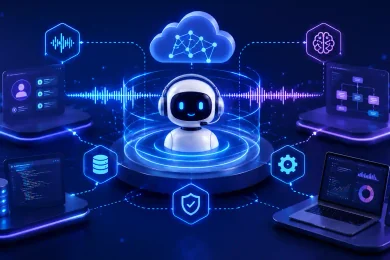
A professional medical dashboard showing an AI voice agent interacting with patient data in a modern hospital setting.
5 Benefits of AI Voice Agents in Healthcare | Strategic Guide 2026
Introduction: The Voice-Driven Revolution in Modern Medicine
The global healthcare industry is undergoing an unprecedented digital transformation. As we navigate the complexities of modern medicine in 2026, the intersection of patient care and artificial intelligence has become the focal point for hospital administrators, clinical directors, and health tech innovators. At the heart of this evolution lies conversational artificial intelligence, specifically medical voice assistants.
For decades, healthcare providers have grappled with a persistent dual-challenge: rising operational costs and escalating staff burnout. Administrative burdens—ranging from appointment scheduling and insurance verification to post-discharge follow-ups—consume millions of billable hours annually. Enter AI voice agents. These intelligent systems are no longer just rudimentary chatbots or frustrating phone trees. Driven by advanced Natural Language Processing (NLP) and Large Language Models (LLMs), AI voice agents are sophisticated digital assistants capable of understanding complex medical terminology, displaying empathetic intonations, and seamlessly integrating with Electronic Health Records (EHR) systems.
Understanding the benefits of AI voice agents in healthcare is no longer optional; it is a critical strategic imperative for any medical institution aiming to remain competitive, compliant, and patient-centric. This comprehensive guide will dissect the structural, financial, and clinical advantages of deploying AI voice agents in healthcare environments, exploring everything from their underlying architecture to real-world applications and future technological trajectories.
What is Benefits of AI Voice Agents in Healthcare?
AI voice agents in healthcare are advanced conversational artificial intelligence systems that use voice recognition, Natural Language Processing (NLP), and machine learning to interact with patients and assist medical staff. The primary benefits of AI voice agents in healthcare include a massive reduction in administrative workloads, 24/7 availability for patient inquiries, lower operational and call-center costs, streamlined appointment scheduling, and the mitigation of clinician burnout. By automating routine interactions, these intelligent agents allow human medical professionals to focus their time and resources entirely on complex clinical care.
The primary benefit of an AI voice agent in a healthcare setting is its ability to instantly resolve Tier-1 patient requests—such as scheduling, symptom triaging, and prescription refills—while seamlessly updating the patient's Electronic Health Record (EHR) in real-time, completely securely and HIPAA-compliantly.
Why It Matters: Strategic Importance in 2026
To grasp why the adoption of AI voice technology is accelerating, one must look at the macro-level pressures facing the healthcare ecosystem.
The Crisis of Burnout and Labor Shortages
By 2026, the global shortage of healthcare workers has reached critical levels. Nurses, administrative staff, and physicians spend nearly 40% of their working hours on documentation, data entry, and phone communications. This administrative bloat directly correlates to clinician burnout. Voice AI acts as a digital pressure release valve. By offloading thousands of inbound calls, healthcare networks can do more with less without compromising the quality of patient care.
The Consumerization of Healthcare
Patients today expect the same frictionless, on-demand digital experiences they receive from e-commerce and banking. They do not want to wait on hold for twenty minutes just to reschedule a dental appointment or verify if their prescription is ready. Providing immediate, intelligent, and accurate responses through conversational AI addresses these modern consumer expectations. Hospitals that fail to adapt risk losing patient loyalty, a concept well-understood by professionals exploring the Benefits Digital Marketing For Doctors.
Financial Optimization
Operating a traditional medical call center is expensive. Between human resources, training, turnover, and infrastructure, the cost per interaction can be exorbitant. AI voice agents transform variable human capital costs into predictable software expenses, drastically reducing the cost per call from an average of $5.00–$8.00 down to mere cents.
Furthermore, integrating these solutions often requires strategic partnerships with top-tier tech providers. Organizations frequently consult with Healthcare Software Development Companies USA to ensure their AI strategies align with overarching financial and operational goals.
How It Works: The Technical Architecture
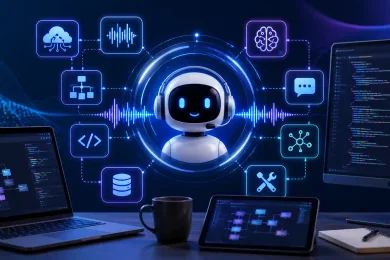
To fully appreciate the benefits of AI voice agents in healthcare, one must understand the technological pipeline that powers them. This is not simple "If/Then" logic; it is a sophisticated orchestration of machine learning models. If you are unfamiliar with the foundational algorithms, exploring What Is Machine Learning provides vital context.
The anatomy of a healthcare AI voice interaction typically follows this five-step process:
Automatic Speech Recognition (ASR): When a patient speaks, the ASR engine converts the audio waves into text in real-time. Modern ASR models are highly trained on medical taxonomies (like ICD-10 and SNOMED CT) to accurately transcribe drug names, complex diseases, and anatomical terms.
Natural Language Understanding (NLU): The transcribed text is fed into an NLU model. Here, the AI extracts the "intent" (what the patient wants to do) and the "entities" (specific data points like a date, a doctor's name, or a symptom).
Dialog Management: The "brain" of the agent decides the appropriate next step based on the intent, the context of the conversation, and the business logic of the healthcare facility.
Backend Integration (API/EHR): The agent communicates securely with the hospital's backend systems via APIs. It might query an EHR (like Epic or Cerner) to check appointment availability or securely verify the patient's identity. Handling this complex data flow requires robust infrastructure, often managed by AI Agents for Data Engineering.
Text-to-Speech (TTS): Finally, the system's response is generated in text and converted back into human-like speech. Modern TTS engines utilize neural voices that sound empathetic, natural, and indistinguishable from human operators.
Key Features of Healthcare Voice Agents
When assessing enterprise-grade AI voice solutions for hospitals or clinics, a standard set of non-negotiable features must be present:
HIPAA & GDPR Compliance: Absolute data encryption in transit and at rest. Voice agents must automatically redact Protected Health Information (PHI) from temporary logs.
Medical Vocabulary Mastery: Pre-trained on vast medical datasets to instantly recognize complex pharmaceutical and clinical terminology.
Omnichannel Continuity: The ability to transition a voice call seamlessly into an SMS text containing a confirmation link or directions to the clinic.
Sentiment Analysis: Real-time detection of frustration, pain, or urgency in the caller's voice, allowing the AI to instantly escalate the call to a human triage nurse.
Multi-Lingual Capabilities: Real-time translation and native speaking capabilities in dozens of languages to support diverse patient demographics.
Seamless EHR/EMR Integration: Bi-directional synchronization with Electronic Health Records to read patient histories and write new appointment data.
Detailed Benefits and ROI
The core objective of deploying any technology is the Return on Investment (ROI). The benefits of AI voice agents in healthcare manifest in three distinct categories: operational, clinical, and patient-centric.
A. Operational & Financial Benefits
Massive Reduction in Call Abandonment: Traditional medical call centers suffer from high abandonment rates during peak hours. AI agents can handle an infinite number of concurrent calls, driving abandonment rates down to virtually zero.
Lower Cost Per Acquisition/Interaction: Routine inquiries (e.g., "What are your visiting hours?") cost healthcare providers millions annually. Automating these inquiries allows call centers to scale down or reallocate staff, delivering immediate financial ROI.
Decreased No-Show Rates: Voice AI can proactively call patients to remind them of appointments, provide pre-operative instructions, and process cancellations or reschedules instantly. This maximizes physician utilization rates.
B. Clinical & Provider Benefits
Alleviating Staff Burnout: Clinicians and administrative staff suffer from "alarm fatigue" and constant phone interruptions. By shielding staff from Tier-1 inquiries, voice agents allow them to practice at the top of their licenses.
Standardized Triage Data: Before a patient even speaks to a nurse, the AI agent can systematically ask a series of protocol-based questions (e.g., "Are you experiencing chest pain? How long have you had the fever?"). This ensures human nurses receive organized, standardized data prior to taking over.
Streamlined Pharmaceutical Operations: Similar to the advantages seen with AI Agents for Pharmaceuticals, voice agents streamline prescription refill requests by automatically verifying data between the patient, the clinic, and the pharmacy.
C. Patient-Centric Benefits
Zero Wait Times and 24/7 Access: Sickness does not respect business hours. Patients can call at 2:00 AM to check their lab results or schedule a next-day appointment without waiting for the office to open.
Accessibility for the Visually Impaired and Elderly: Navigating a patient portal via a smartphone app or website can be frustrating or impossible for elderly patients or those with visual impairments. Voice is the most intuitive interface; they simply pick up the phone and speak.
Enhanced Privacy: Some patients feel embarrassed discussing sensitive health issues with human administrators. An AI agent offers a judgment-free interface, which often leads to patients being more honest about their symptoms.
High-Value Use Cases in Real-World Healthcare
The theoretical benefits are vast, but how are AI voice agents practically applied in clinical settings today?
Intelligent Appointment Scheduling and Management
The most common and immediate use case. A patient calls to book an MRI. The AI voice agent authenticates the patient, accesses the scheduling API, cross-references the required machinery with the radiologist's calendar, offers time slots, and books the appointment. If the patient needs to reschedule, the agent frees up the original slot instantly.
Automated Patient Triaging and Routing
When a patient calls a large hospital network, they often don't know which department they need. The voice agent acts as a virtual switchboard, using natural language to understand the issue. Patient: "My son has a rash that won't go away." AI: "I can help with that. Are there any other symptoms like fever or difficulty breathing?" Based on the response, the AI routes the call to pediatrics, dermatology, or the ER.
Post-Discharge Follow-Ups
Hospital readmissions are a major metric affecting hospital funding. AI voice agents perform outbound calls 24 or 48 hours after a patient is discharged. The agent will ask, "Are you experiencing any pain? Have you been able to pick up your new medication?" If the patient indicates an issue, the system alerts a care coordinator immediately.
Billing and Insurance Verification
Healthcare billing is notoriously complex. Voice agents can securely process payments over the phone, explain basic billing codes, and verify insurance eligibility by pinging payer databases in real-time. To ensure this data is handled within legal boundaries, systems rely heavily on protocols akin to those used by AI Agents for Compliance.
Outbound Health Campaigns
During flu season or a localized viral outbreak, clinics can deploy voice agents to call high-risk patients (such as the elderly or immunocompromised) to actively schedule vaccinations, shifting the healthcare model from reactive to proactive.
Specific Examples and Scenarios
To illustrate the sheer capability of this technology, consider these specific scenarios deployed by leading healthcare networks in 2026:
Scenario 1: The "Virtual Front Desk" in a Dental Network A regional dental network with 15 locations deployed an AI voice agent to handle all inbound calls. Previously, receptionists were overwhelmed, missing 30% of calls. The AI agent now answers every call on the first ring. It handles 65% of all interactions entirely unassisted (scheduling cleanings, giving directions, answering insurance questions). The network saw a 20% increase in booked appointments simply because no call was left unanswered.
Scenario 2: Chronic Care Management A cardiology clinic uses an outbound AI voice agent to monitor patients with Congestive Heart Failure (CHF). Every morning, the AI calls patients to ask for their daily weight and blood pressure readings. The AI naturally converses, records the data directly into the EHR, and flags any sudden weight gain (a sign of fluid retention) for immediate review by a cardiologist, successfully preventing expensive emergency room visits.
These implementations highlight some of the most profound Artificial Intelligence Real World Applications currently transforming the industry.
Comparison: Traditional Call Centers vs. AI Voice Agents
Understanding the technological leap requires a direct comparison. The following table highlights the operational differences between human-staffed call centers and AI voice agents in a healthcare setting.
Feature / Metric | Traditional Healthcare Call Center | AI Voice Agent Integration |
|---|---|---|
Availability | Typically limited to business hours (9 AM - 5 PM). | 24/7/365, including holidays and weekends. |
Call Capacity | Limited by the number of active human operators. | Virtually unlimited concurrent call handling. |
Wait Times (Hold) | High during peak hours (Mondays, mornings). | Zero wait time; answers instantly. |
Cost per Interaction | High ($5.00 - $8.00+) due to labor and overhead. | Extremely low ($0.10 - $0.50) driven by server/API usage. |
Language Support | Dependent on hiring specific bilingual staff. | Supports 50+ languages simultaneously via NLP. |
Scalability | Slow. Requires hiring, training, and onboarding. | Instant. Can scale up instantly during a crisis or pandemic. |
Emotional Nuance | High. Humans naturally possess deep empathy. | Improving rapidly. Can detect sentiment but lacks true human empathy. |
Data Accuracy | Prone to human error (typos, misheard information). | 100% accurate data transfer via direct API/EHR integration. |
For administrators deciding on resource allocation, looking into parallel industries—like the efficiencies gained by AI Agents for Customer Service—can provide a solid blueprint for expected ROI in healthcare.
Challenges and Limitations
Despite the immense benefits of AI voice agents in healthcare, the transition is not without hurdles. A balanced strategic view must acknowledge the limitations of the technology in 2026.
Data Privacy and Security Risks
Healthcare is the most heavily regulated industry in the world. Voice interactions inherently capture Protected Health Information (PHI). If the underlying LLM or cloud infrastructure is breached, the fallout is catastrophic. Voice agents must be strictly audited for HIPAA (USA), GDPR (Europe), or equivalent compliance frameworks.
The Empathy Deficit in Critical Care
While AI can be programmed to speak with a soothing tone, it cannot replace human empathy. If a patient is calling to receive oncology results or is experiencing a severe mental health crisis, an AI agent is inappropriate. Intelligent systems must be programmed with "fail-safes" to instantly detect extreme distress and route the call to a human without friction.
Dialects, Accents, and Speech Impediments
Though ASR engines have improved exponentially, they can still struggle with heavy regional accents, strong dialects, or patients with speech impediments (e.g., slurred speech due to a stroke). A failure to understand the patient can cause extreme frustration and potential medical errors.
Integration Complexities with Legacy Systems
Many hospitals still operate on fragmented, heavily customized, decade-old legacy EHR systems. Integrating modern cloud-based AI voice agents into these on-premise dinosaurs requires complex middleware and substantial IT investment.
Future Trends (Context 2026 and Beyond)
As we look at the landscape in mid-2026, the technology is evolving from simple transactional bots to proactive health companions. Here is what is actively shaping the future of voice AI in healthcare:
Voice Biomarkers as Diagnostic Tools
The most groundbreaking advancement in 2026 is the use of voice as a biomarker. AI models can now analyze the micro-tremors, pitch, and cadence of a patient's voice during a standard scheduling call to detect early signs of neurological diseases (like Parkinson's or Alzheimer's), respiratory distress, or severe depression. The voice agent effectively conducts a passive screening just by conversing with the patient.
Ambient Clinical Intelligence
Inside the clinic, voice agents are moving beyond the telephone. "Ambient AI" listens securely to the conversation between the doctor and the patient in the examination room, automatically drafting the clinical notes in the EHR, coding the billing, and writing the prescriptions without the doctor touching a keyboard.
Conclusion: Embracing the Voice AI Era
The benefits of AI voice agents in healthcare extend far beyond mere cost savings. They represent a fundamental redesign of the patient journey and the clinical workflow. By automating the repetitive, administrative tasks that plague modern healthcare systems, AI voice agents restore the most valuable resource in medicine: time.
Time for patients to receive instant answers and secure appointments without waiting on hold. Time for administrative staff to focus on complex insurance resolutions rather than rote data entry. Most importantly, time for doctors and nurses to look away from their screens and focus entirely on the human beings in front of them.
In 2026, implementing AI voice technology is no longer a futuristic experiment; it is the baseline standard of care for modern medical institutions. The healthcare providers who successfully integrate these intelligent, empathetic, and highly secure digital workforces will define the next decade of medical excellence, operational resilience, and superior patient satisfaction.
Transform Your Healthcare Operations with Vegavid
The integration of advanced conversational AI is a complex but highly rewarding journey. If your healthcare organization is looking to reduce administrative burnout, optimize patient experiences, and implement secure, HIPAA-compliant voice technology, you need an experienced technology partner.
At Vegavid, our team specializes in developing robust AI architectures tailored specifically for the rigors of the healthcare sector. Whether you are looking to deploy intelligent scheduling agents, complex clinical data pipelines, or advanced triage systems, we have the expertise to guide your digital transformation securely and efficiently.
Take the first step toward a modernized, patient-centric workflow. Visit the Vegavid Home page today to explore our bespoke AI solutions and discover how we can help future-proof your medical institution.
Ready to transform your business?
Partner with Vegavid's AI Voice Generator Services team to build realistic, scalable, and brand-aligned voice experiences that drive customer engagement and business growth.
Frequently Asked Questions (FAQs)
The primary benefit is the automated resolution of routine administrative tasks—such as scheduling appointments, answering basic questions, and performing initial triage—which significantly reduces staff burnout, lowers operational costs, and eliminates patient wait times on the phone.
Yes, enterprise-grade medical voice agents are explicitly built to be HIPAA-compliant. They utilize end-to-end encryption, automatic PHI (Protected Health Information) redaction, and secure APIs that interact directly with the hospital's EHR without storing sensitive data on public servers.
AI voice agents integrate with Electronic Health Record (EHR) systems via secure, standardized APIs (such as FHIR - Fast Healthcare Interoperability Resources). This allows the AI to securely pull patient records to verify identity and push data, like new appointment times or triage notes, directly into the patient's file in real-time.
Absolutely. Unlike general-purpose virtual assistants, healthcare-specific AI agents are trained on massive clinical datasets, including standard medical taxonomies like ICD-10, CPT codes, and pharmaceutical databases, enabling them to understand and pronounce complex medical terminology accurately.
A crucial feature of medical voice AI is the "human-in-the-loop" fallback. If the AI detects a complex issue, an emergency, or heightened patient frustration (via sentiment analysis), it instantly routes the call, along with the complete context of the conversation, to a human nurse or administrator.




Leave a Reply